Tags
food, Food Prep, fresh vegetables, health, Healthy Eating, nutrition, peeling vegetables, peels, recipes

Many questions and discussions on peeling vegetables. Here is a good article on just that question. To peel or not to peel That is the question. But first, what is a vegetable? “A vegetable is a plant or plant product, but commonly refers to the edible parts of a plant, such as the roots, stems, leaves, flowers, fruit, or seeds.” (SNF) Many vegetables can be left unpeeled, as their skins are rich in nutrients, fiber, and flavor. However, whether you leave them unpeeled often depends on the recipe, the vegetable’s condition, and personal preference. Here are some vegetables that are generally best left unpeeled.
1. Carrots The skin contains a lot of nutrients and fiber. Scrubbing them thoroughly is sufficient to remove dirt.
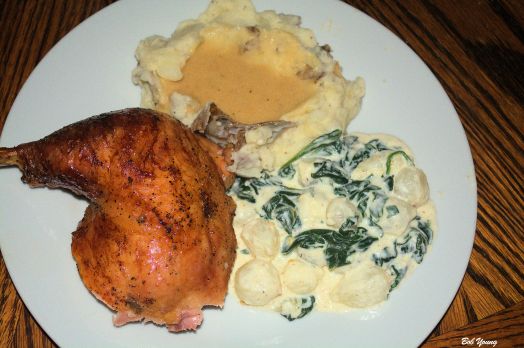
2. Potatoes Skins are rich in potassium, fiber, and vitamins. Great for roasting, mashing (for a rustic texture), and making fries.
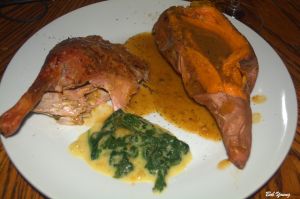
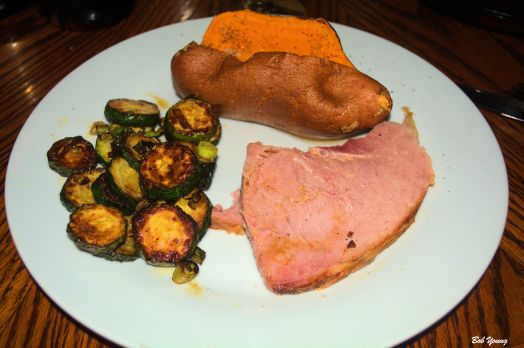
3. Sweet Potatoes The skin is nutrient-rich and becomes tender when cooked. Adds a slightly earthy flavor to dishes.
4. Cucumbers The peel contains antioxidants and fiber. Thin-skinned varieties, like English cucumbers, are particularly good unpeeled.
5. Zucchini (and other summer squash) The skin is tender and full of nutrients. Adds texture and color to dishes.
6. Eggplants The skin is edible, especially in younger or smaller varieties. Older eggplants might have tougher skin, which can be peeled if desired.
7. Parsnips The thin skin can be left on, especially for younger parsnips. Scrub them well to remove dirt.
8. Beets When roasted or boiled, the skin becomes easy to slip off, but leaving it on during cooking helps retain nutrients.
9. Apples (if used as a vegetable, e.g., in savory dishes) The skin contains fiber and beneficial compounds.
10. Turnips and Rutabagas Smaller, younger roots have tender skins that can be left on.
Tips for Leaving Skins On: Clean Thoroughly: Use a vegetable brush to wash away dirt and residue.
Organic Preference: Opt for organic produce when leaving the skin on, as it’s less likely to have pesticide residues.
Taste Test: For some vegetables, leaving the skin on may slightly alter texture or taste.
Tomatoes are perfectly fine to eat unpeeled! In fact, the skin of a tomato contains many beneficial nutrients, such as:
1. Fiber: Helps with digestion.
2. Lycopene: A powerful antioxidant that may reduce the risk of certain cancers and heart disease. Lycopene is often concentrated in the skin. Good for eye health.
3. Vitamins and Minerals: The skin is rich in vitamin C, potassium, and other nutrients.
When to Eat Tomatoes Unpeeled:
1. Fresh Dishes: For salads, sandwiches, or salsas, the skin adds texture and a slight chewiness.
2. Cooking: In soups, stews, or sauces, the skin softens during cooking and usually blends well with other ingredients.
When to Peel Tomatoes:
1. Smooth Sauces or Soups: If you want a silky texture without bits of skin, except in a marinara, peeling might be preferable.
2. Tough Skins: Some varieties have thicker skins that might not break down well during cooking.
3. Personal Preference: If you find the skin unpleasant in certain dishes, you can peel it.
How to Peel Tomatoes (If Needed): Score the bottom with a shallow “X.”. Blanch them in boiling water for 20-30 seconds. Transfer to ice water to cool. The skin should easily slip off. Unless a recipe specifically calls for peeling, eating tomatoes with the skin is healthy and convenient! Some tomato varieties naturally have tougher skins, which can make them less ideal for eating raw in certain dishes but often better for storage and transport. Here are some types of tomatoes known for their thicker or tougher skins:
1. Roma Tomatoes (Plum Tomatoes) Known for their dense flesh and lower water content. these tomatoes are not known as “slicing” tomatoes. Often used in sauces, pastes, and canning. The skin can be tougher compared to other varieties.
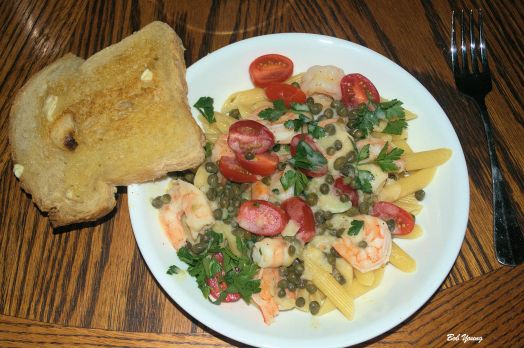
2. Cherry and Grape Tomatoes Some smaller varieties, especially those bred for durability, have thicker skins. Grape tomatoes, in particular, tend to have firmer, more resilient skins.
3. Heirloom Varieties Certain heirloom tomatoes, especially those bred for flavor rather than ease of peeling, can have tougher skins. Variability depends on the specific variety.
4. Green Tomatoes Unripe tomatoes, including green heirlooms, tend to have firmer skins. Often used in cooking (e.g., fried green tomatoes) where toughness is less of an issue.
5. Hybrids Bred for Shipping Many commercially grown hybrids are designed for durability during transport, which often means thicker skins. Examples include some supermarket slicing tomatoes.
6. Sun-Dried Tomatoes These naturally develop tougher skins during the drying process. Factors Influencing Skin Toughness:
1. Growing Conditions: Hot, dry climates can cause tomatoes to develop thicker skins as a protective mechanism.
2. Ripeness: Overripe tomatoes usually have thinner skins, while under ripe ones are firmer and tougher.
3. Variety: Certain types, like those bred for processing or long shelf life, inherently have thicker skins. If you prefer tender-skinned tomatoes, look for varieties like Brandywine, Big Beef, or other soft-skinned heirlooms for fresh eating. For cooking, tough-skinned tomatoes can work well as their skins often break down during the cooking process or can be easily removed. (Sources: USDA, SNF, Food52)















![Beef Carpaccio ()Celebrity Lines), Italy 2011 Zonin Valpolicella 14% alc a good wine with this salad [16]](https://boisefoodieguild.blog/wp-content/uploads/2014/08/13aug2014_1a_the-buzz-wine-club_cruise-food_celebrity_beef-carpaccio_italy.jpg?w=524)
![Chilled Peach Soup (Royal Caribbean) Spain 2011 Tierras Guindas 13.5% alc. a super good wine with this super good soup [17]](https://boisefoodieguild.blog/wp-content/uploads/2014/08/13aug2014_1b_the-buzz-wine-club_cruise-food_rc_chilled-peach-soup_spain.jpg?w=524)
![BBQ Sweet Potato Salad (Carnival) New Zealand 2013 Wild South Sauvignon Blanc 1.5% alc really6 a super good wine particularly with this entree. [18]](https://boisefoodieguild.blog/wp-content/uploads/2014/08/13aug2014_1c_the-buzz-wine-club_cruise-food_carnival_bbq-sweet-potato-salad_nz.jpg?w=524)
![Jamaican Jerk Chicken (Princess) Spanish 2001 LAN Rioja 13.5% alc. another superb wine paired well with the spiciness of the chicken. [18] (notice the bread?)](https://boisefoodieguild.blog/wp-content/uploads/2014/08/13aug2014_1d_the-buzz-wine-club_cruise-food_princess_jamaican-jerk-chicken_spanish.jpg?w=524)
![Cream Brule (Royal Caribbean) France 2013 Bila-Haut 13.5% alc. a good match with the Cream Brule [18]](https://boisefoodieguild.blog/wp-content/uploads/2014/08/13aug2014_1e_the-buzz-wine-club_cruise-food_rc_cream-brule_france.jpg?w=524)
 Boise Foodie Guild