~ – Enjoy a meal or a recipe with us! Be sure to check the Sidebar and Menu above. Interesting resources are listed there. Most are hot links. Air Fryer (AF), Instant Pot (IP) and Captain's Shack (CS) recipes now have their own page. Subscribe to the blog. It's still FREE!
Now this was a fun and challenging recipe to follow and make. There is at least one update to do and that is the baking time. The recipe calls for 40 to 50 minutes or 195 degrees F. I think I will adjust the product temperature down to probably 180 degrees F and t he time down to 40 minutes at most. The finished rolls were a little dry. The orange flavor was lacking probably because the oranges were small. Here i s the recipe – https://www.rockinrs.com/CS-AL-Orange-Rolls.pdf I will be interested in your comments.
We do like a good bagel, cream cheese and lox, We have been known to make our own lox – cured salmon. We also like an old dish, Egg in Hole. This is a twist on that theme – Grilled Bagel (any kind), Egg in Hole and Lox. A n easy recipe, quick – 10 minutes and delicious. Here.s how to do it.
Ingredients – (Serves 2) 2 Bagels, any kind 4 lg Eggs Lox unsalted Butter Micro Greens, any kind, I like Alfalfa/Broccoli
Directions – 1. Cut each bagel in half, leaving half of the hole with the bagel hole. Enlarge the hole if necessary. 2. Thoroughly butter both sides of the cut bagel, Add butter and a little vegetable oil to a large skillet. Start to grill the bagel halves, cut side up. Grill until the bagel is browned, Turn bagel over and grill the cut side until barely browned. Add an egg to the hole and cook until the white is set. 3. Add a little water to the pan and cover with a glass lid. Cook until the yolk is set to your liking. Remove from pan and top with lox and then some sprouts on the lox. Serve immediately.
This is really a good version of spaghetti, full of flavor. I have made it before, several times, but I have no idea where the recipe is. Can’t even find it on my computer. I came across this one which is very similar to the one I have made. Fun to make, it only takes about 20 minutes as long as you have all the ingredients prepped. Have a go with it and have fun making it. A classic Italian dish.
Spaghetti Puttanesca (Spaghetti With Capers, Olives, and Anchovies) Source: adapted from Serious Eats Bob and Robin Young, Boise, ID The Captain’s Shack 10 January 2025 PDF: CS-Spaghetti-Puttanesca.pdf Note: Pasta that packs an aromatic punch, thanks to garlic, anchovies, capers, and olives. Go light on the additional salt. The anchovy, cspers and olives have plenty. Prep: 15 mins Cook: 20 mins Total: 20 mins Serves: 3 to 4
Ingredients: 6 T (90ml) Extra-Virgin Olive Oil, divided 4 med Garlic Cloves, thinly sliced or finely chopped by hand 4 to 6 Anchovy Fillets, finely chopped (1 1/2 to 2 tablespoons) Large pinch Aleppo Pepper ¼ c Capers, drained and chopped (about 2 ounces; 60g) ¼ c chopped Pitted Black Olives (about 2 ounces; 60g) 1 c (225g) Whole Peeled Tomatoes, preferably San Marzano, roughly broken up by hand, about half a 14-ounce can One 5-ounce (140g) can Oil-Packed Tuna (optional) Celtic Sea Salt 8 ounces (225g) Dried Spaghetti Small handful minced Fresh Parsley Leaves 1 oz (30g) finely grated Pecorino Romano or Parmigiano Reggiano cheese, plus more for serving ¼ t freshly ground Tellicherry Black Pepper Directions: In a medium skillet, combine 4 tablespoons (60ml) oil, garlic, anchovies, and red pepper flakes. Cook over medium heat until garlic is very lightly golden, about 5 minutes. Adjust heat as necessary to keep it gently sizzling. Add capers and olives and stir to combine. Add tomatoes, stir to combine, and bring to a bare simmer. If using, stir in canned tuna, flaking it gently with a fork. Remove from heat. Meanwhile, in a 12-inch skillet, 12-inch sauté pan, or large saucepan of lightly salted boiling water, cook spaghetti until just shy of al dente, about 2 minutes less than package directions. Using tongs, transfer pasta to sauce. Alternatively, drain pasta through a colander, reserving 1 cup of the cooking water. Add drained pasta to sauce. Add a few tablespoons of pasta water to sauce and set over medium-high heat to bring pasta and sauce to a vigorous simmer. Cook, stirring and shaking the pan and adding more pasta water as necessary to keep sauce loose, until pasta is perfectly al dent olive oil, parsley, and cheese. Season with salt and pepper. Serve immediately with more grated cheese at the table. Serve with a good red wine, like merlot.
Now I know what you are thinking – at least some of you. Yuk! But know, there are several ways you can counteract the sulfur in them. This is but one way. The recipe for this comes from Jamie Oliver and is Brussels Sprouts Caesar – Style. It’s a salad and some of the sprouts are seared, which tends to reduce the offensive flavor and odor. The recipe has anchovies in it; please use them. Here we go.
Brussels Sprouts Caesar-Style
Source: Jamie Oliver Prep: about 25 min Total: 25 min 9 January 2025
Ingredients: 50g (1 ¾ oz) Parmesan cheese, plus extra to serve 1 Lemon 3 T Greek-style yoghurt 1 sm handful soft herbs, such as basil, flat-leaf parsley, dill ½ t Worcestershire sauce Extra Virgin Olive Oil 3 Anchovies in oil (optional) 500g (1.1 lbs) Brussels Sprouts 2 thick slices of Stale Bread 1 clove of Garlic Extra Virgin Olive Oil Directions: Finely grate most of the Parmesan into a blender with the zest of half the lemon. Squeeze in the juice of the whole lemon, then add the yoghurt, herbs, Worcestershire sauce, 2 tablespoons of extra virgin olive oil and the anchovies (if using). Blitz (pulse) until smooth, then pour into a large serving dish.
Trim and halve half of the sprouts through the root. Place in a large dry frying pan, cut-side down, and char until brown and blistered. Finely slice the remaining sprouts then pile on top of the sauce. Tip the charred Brussels over the top and put the empty pan back on the heat.
Slice the bread into 1cm chunks, tip into the pan and toast. Make a well in the center, peel and grate the garlic into the pan, and then drizzle with olive oil. Give the pan a shake.
Grate over the remaining Parmesan, shake the pan, add another drizzle of extra virgin olive oil, then return to the heat, until the cheese is melted.
Tip the crunchy cheesy croutons onto the salad and then give everything a really good toss until it’s coated in the lovely dressing. Speed peel over shavings of Parmesan and serve.
The first time I posted this recipe to this blog was in September 2009. It’s time to enhance it and give the reader some suggestions for the ingredients, especially the clams. Here is a link to the “original” recipe straight from the Jersey Shore and the Cape May area. Here is the Direct Link to the chowder. If you are not sure how to shuck clams, then lightly steam them, about 2 minutes until they are just open. Remove clam from shell and set aside. Strain and save the liquid! And there are markets available for either frozen or canned (which should work fine along with liquid). Walmart, Chef’s Store (Snows chopped) and Whole Foods for national suppliers and in Boise , Reel Foods on Vista Ave. Ok. Here is the recipe, Enjoy!
Tom’s Cove Clam Chowder
Recipe Source: Tom’s Cove, New Jersey Serves: 8
Ingredients: 6 Bacon slices, diced 3½ c Tomatoes, fresh and chopped, optional 20 oz Clams, fresh and with juice or canned or frozen 2½ T Thyme, dried Parsley, chopped 1 c Red Onion, diced fine 2 c Hot water 16 oz Heavy Cream 16 oz Clam Juice, if using 3 c Red Potatoes, diced Salt and pepper to taste Directions: In a soup pot, fry bacon until crisp and golden. Sauté onion and 1 t thyme in bacon pot until onion is tender. Add potatoes, tomatoes, if using, water, cream, clam juice and salt and pepper. Cover pot and simmer until potatoes are tender, but not mushy. Shuck and cut clams into pieces, reserving juices. Add to the pot with the juice. Add parsley and another 1½ t thyme. Simmer to taste. Cool and re-heat for better chowder.
Many questions and discussions on peeling vegetables. Here is a good article on just that question. To peel or not to peel That is the question. But first, what is a vegetable? “A vegetable is a plant or plant product, but commonly refers to the edible parts of a plant, such as the roots, stems, leaves, flowers, fruit, or seeds.” (SNF) Many vegetables can be left unpeeled, as their skins are rich in nutrients, fiber, and flavor. However, whether you leave them unpeeled often depends on the recipe, the vegetable’s condition, and personal preference. Here are some vegetables that are generally best left unpeeled. 1. Carrots The skin contains a lot of nutrients and fiber. Scrubbing them thoroughly is sufficient to remove dirt. 2. Potatoes Skins are rich in potassium, fiber, and vitamins. Great for roasting, mashing (for a rustic texture), and making fries. 3. Sweet Potatoes The skin is nutrient-rich and becomes tender when cooked. Adds a slightly earthy flavor to dishes. 4. Cucumbers The peel contains antioxidants and fiber. Thin-skinned varieties, like English cucumbers, are particularly good unpeeled. 5. Zucchini (and other summer squash) The skin is tender and full of nutrients. Adds texture and color to dishes. 6. Eggplants The skin is edible, especially in younger or smaller varieties. Older eggplants might have tougher skin, which can be peeled if desired. 7. Parsnips The thin skin can be left on, especially for younger parsnips. Scrub them well to remove dirt. 8. Beets When roasted or boiled, the skin becomes easy to slip off, but leaving it on during cooking helps retain nutrients. 9. Apples (if used as a vegetable, e.g., in savory dishes) The skin contains fiber and beneficial compounds. 10. Turnips and Rutabagas Smaller, younger roots have tender skins that can be left on.
Tips for Leaving Skins On:Clean Thoroughly: Use a vegetable brush to wash away dirt and residue. Organic Preference: Opt for organic produce when leaving the skin on, as it’s less likely to have pesticide residues. Taste Test: For some vegetables, leaving the skin on may slightly alter texture or taste. Tomatoes are perfectly fine to eat unpeeled! In fact, the skin of a tomato contains many beneficial nutrients, such as: 1. Fiber: Helps with digestion. 2. Lycopene: A powerful antioxidant that may reduce the risk of certain cancers and heart disease. Lycopene is often concentrated in the skin. Good for eye health. 3. Vitamins and Minerals: The skin is rich in vitamin C, potassium, and other nutrients. When to Eat Tomatoes Unpeeled: 1. Fresh Dishes: For salads, sandwiches, or salsas, the skin adds texture and a slight chewiness. 2. Cooking: In soups, stews, or sauces, the skin softens during cooking and usually blends well with other ingredients. When to Peel Tomatoes: 1. Smooth Sauces or Soups: If you want a silky texture without bits of skin, except in a marinara, peeling might be preferable. 2. Tough Skins: Some varieties have thicker skins that might not break down well during cooking. 3. Personal Preference: If you find the skin unpleasant in certain dishes, you can peel it. How to Peel Tomatoes (If Needed): Score the bottom with a shallow “X.”. Blanch them in boiling water for 20-30 seconds. Transfer to ice water to cool. The skin should easily slip off. Unless a recipe specifically calls for peeling, eating tomatoes with the skin is healthy and convenient! Some tomato varieties naturally have tougher skins, which can make them less ideal for eating raw in certain dishes but often better for storage and transport. Here are some types of tomatoes known for their thicker or tougher skins: 1. Roma Tomatoes (Plum Tomatoes) Known for their dense flesh and lower water content. these tomatoes are not known as “slicing” tomatoes. Often used in sauces, pastes, and canning. The skin can be tougher compared to other varieties. 2. Cherry and Grape Tomatoes Some smaller varieties, especially those bred for durability, have thicker skins. Grape tomatoes, in particular, tend to have firmer, more resilient skins. 3. Heirloom Varieties Certain heirloom tomatoes, especially those bred for flavor rather than ease of peeling, can have tougher skins. Variability depends on the specific variety. 4. Green Tomatoes Unripe tomatoes, including green heirlooms, tend to have firmer skins. Often used in cooking (e.g., fried green tomatoes) where toughness is less of an issue. 5. Hybrids Bred for Shipping Many commercially grown hybrids are designed for durability during transport, which often means thicker skins. Examples include some supermarket slicing tomatoes. 6. Sun-Dried Tomatoes These naturally develop tougher skins during the drying process. Factors Influencing Skin Toughness: 1. Growing Conditions: Hot, dry climates can cause tomatoes to develop thicker skins as a protective mechanism. 2. Ripeness: Overripe tomatoes usually have thinner skins, while under ripe ones are firmer and tougher. 3. Variety: Certain types, like those bred for processing or long shelf life, inherently have thicker skins. If you prefer tender-skinned tomatoes, look for varieties like Brandywine, Big Beef, or other soft-skinned heirlooms for fresh eating. For cooking, tough-skinned tomatoes can work well as their skins often break down during the cooking process or can be easily removed. (Sources: USDA, SNF, Food52)
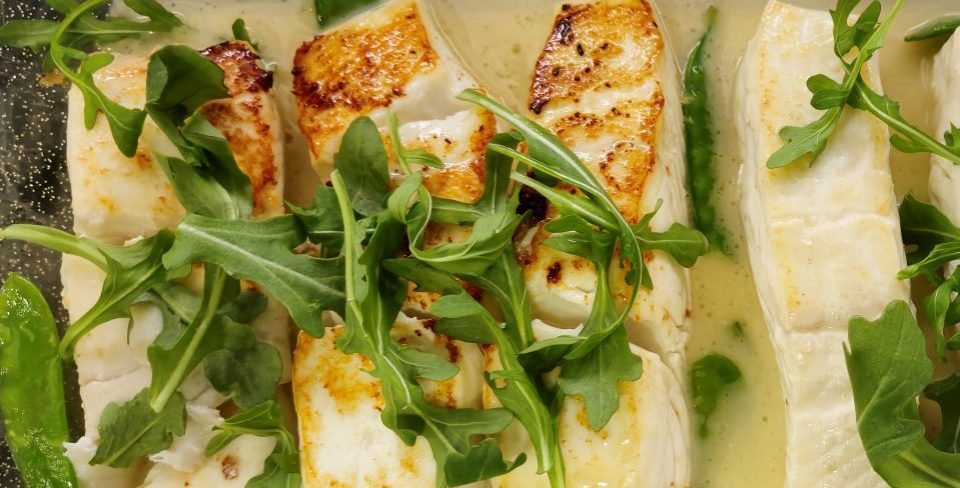
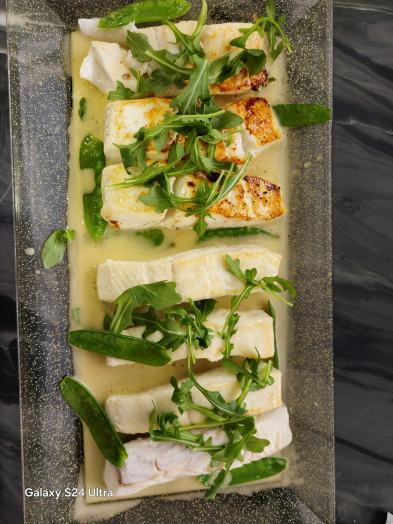
Not everything one makes comes out as expected or as good as one “dreams” about. This is one of those times. I made a Halibut Beurre Blanc – https://www.rockinrs.com/Beurre-Blanc2.pdf – and it was OK, but just Ok. Nothing to write home about. The beurre blanc was thin, not as thick as I would have liked it, and the tarragon and clove were just about non-existent. The temperature was kept at around 120 degrees F and it did not break. The liquid did reduce to 1/2 cup and it did take about 40 minutes to complete the sauce. I have made this several times over the years, but this was about the most delinquent I have ever done! If you look at the recipe and can give me any suggestions as to how to correct it, I sure would appreciate your comments and suggestions. Thanks.
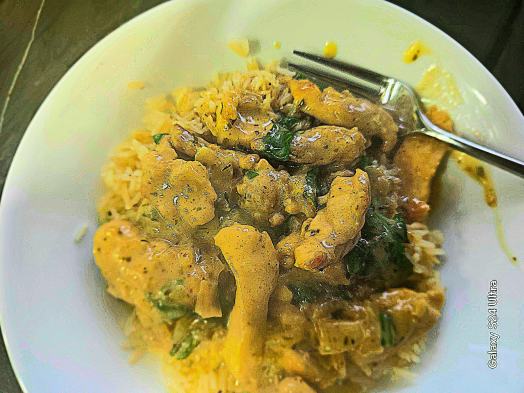
This recipe actually comes from a longtime friend of ours who lives in California. It is an awesome dish with just a hint of tarragon. I did not alter it excessively, but did add a little chopped arugula at the very end, which does give the dish an interesting flavor profile. The official name of the dish is Chicken Breasts with Tarragon. Because of the additions I gave it, the name became Isaac’s Chicken. Here is the link to the recipe. Enjoy. https://www.rockinrs.com/Isaacs-Chicken-Rev.pdf.
I have to cut the chicken smaller.I also used a Sauvignon Blanc, but you can use any good French Bordeaux white wine. The alcohol gets cooked off, especially after you reduce it. Just the flavor remains. The dish is not difficult to make and within 30 minutes, you should be at the table eating, We tried this over Jasmine rice but like it better over noodles. Be sure to prep all ingredients before you start. I have a supply of paper bowls that I keep, just for prepping. Keeps the process organized.
Enjoy this dish. It is delicious! Let us know how you like it and any changes you made.
My Mom passed away this date in 1995. She was a 30 year cancer surviver. I miss her and her kitchen talents. Therefore, I am posting 3 of her recipes in her memory. I do hope you try them and look/read/try her recipe file, https://www.rockinrs.com/recipes.htm. There are Many recipes in this file. And many family ones and favorites.
———
Recipe Name: Crab Stuffed Mushrooms Serves: 8 Prep Time: 30 min Oven Temp: 400ºF Oven Time: 12 min Ingredients: 1# Crab meat 24 Mushrooms, fresh ½ c Mushroom stems, chopped 2 T Butter, softened 1 egg, beaten 2 T Parsley, chopped ½ t Salt ¼ t Garlic, minced 2 T Parmesan cheese, grated De-stem the mushrooms. Set aside. Chop the stems into small pieces. Mix all ingredients, except the mushroom caps, until the mixture balls together. Place the mushroom caps on a lightly greased cookie sheet. Fill each mushroom cap with the mixture. Place in a pre-heated oven at 400ºF. Cook for 12 – 15 minutes until just browned. Serve hot.
———-
Recipe Name: Green Tomato Relish 2 Yield: 5 quarts Prep Time: Ingredients: 5½# Tomatoes, end of the season pink with some green tint, chopped 6 Onions, chopped ½ c Salt 3 c Vinegar 6 Green peppers, diced 3 Sweet red peppers, diced 6 Garlic cloves, minced 1 c Brown sugar 3 c Corn syrup, dark 1 T English mustard 1 T Cloves, whole 1 Cinnamon stick 1 T Ginger 1½ t Salt Combine tomatoes and onion. Sprinkle with salt and let stand for 3 hours. Rinse and drain. Heat vinegar, peppers, garlic, sugar, salt and syrup to a boil. Add the vegetables and spices (tied in a cheese cloth bag) and boil gently for 10 minutes. Hot pack in jars.
————
Recipe Name: Wilted Lettuce Dressing Serves: 8 Prep Time: 1 hour Comments: A favorite family salad dressing. This is the original and old version. Ingredients: 6 Slices of bacon, crisp and crumbled 4 T Bacon drippings ¼ c Vinegar 2 T Water ½ t Sugar 1 Egg beaten
Add the bacon drippings to a pan over medium heat. Add slowly the vinegar, water and sugar. Bring to a slow boil stirring constantly. Add the diced bacon. Add the beaten egg to the pan stirring constantly until blended and thickened. Quickly pour over 1 head of chopped iceberg lettuce.
Be sure to look at the complete recipe file and info at the above link. Enjoy!





 Boise Foodie Guild