~ – Enjoy a meal or a recipe with us! Be sure to check the Sidebar and Menu above. Interesting resources are listed there. Most are hot links. Air Fryer (AF), Instant Pot (IP) and Captain's Shack (CS) recipes now have their own page. Subscribe to the blog. It's still FREE!
I have been wanting to try this pasta for quite a while now and finally got up the nerve to try and make some. I think it came out very well. Originally, the sauce does not include any vegetables or protein. I changed that and used some large dice zucchini, shrimp, scallops and quartered crimini mushrooms. I like those additional items as it gives the pasta a good texture and mouth feel. Vodka Sauce is a popular Italian-American pasta sauce known for its rich and creamy texture. The exact origins of vodka sauce are unclear. One popular belief is that vodka sauce originated in Italian-American restaurants in the United States during the mid-20th century, more than likely in the 1970’s. Vodka was added to tomato sauce as a way to enhance the flavors of the ingredients. Vodka is thought to interact with the fat in the cream and the acid in the tomatoes, creating a smooth and balanced sauce. Here is a link to the recipe. Enjoy. https://www.rockinrs.com/CS-Penne-Pasta.pdf
There are times when one feels really challenged in the kitchen, whether it is perfecting a dish, Creamed Spinach for example, where something just does not come out as you had planned or pictured. And at other times you want to create something kind of different with pan drippings. Or you want to create a dish that can be daunting or challenging. Well here are 3 that did just that. Let’s take a look. (Click on the images to see them enlarged)
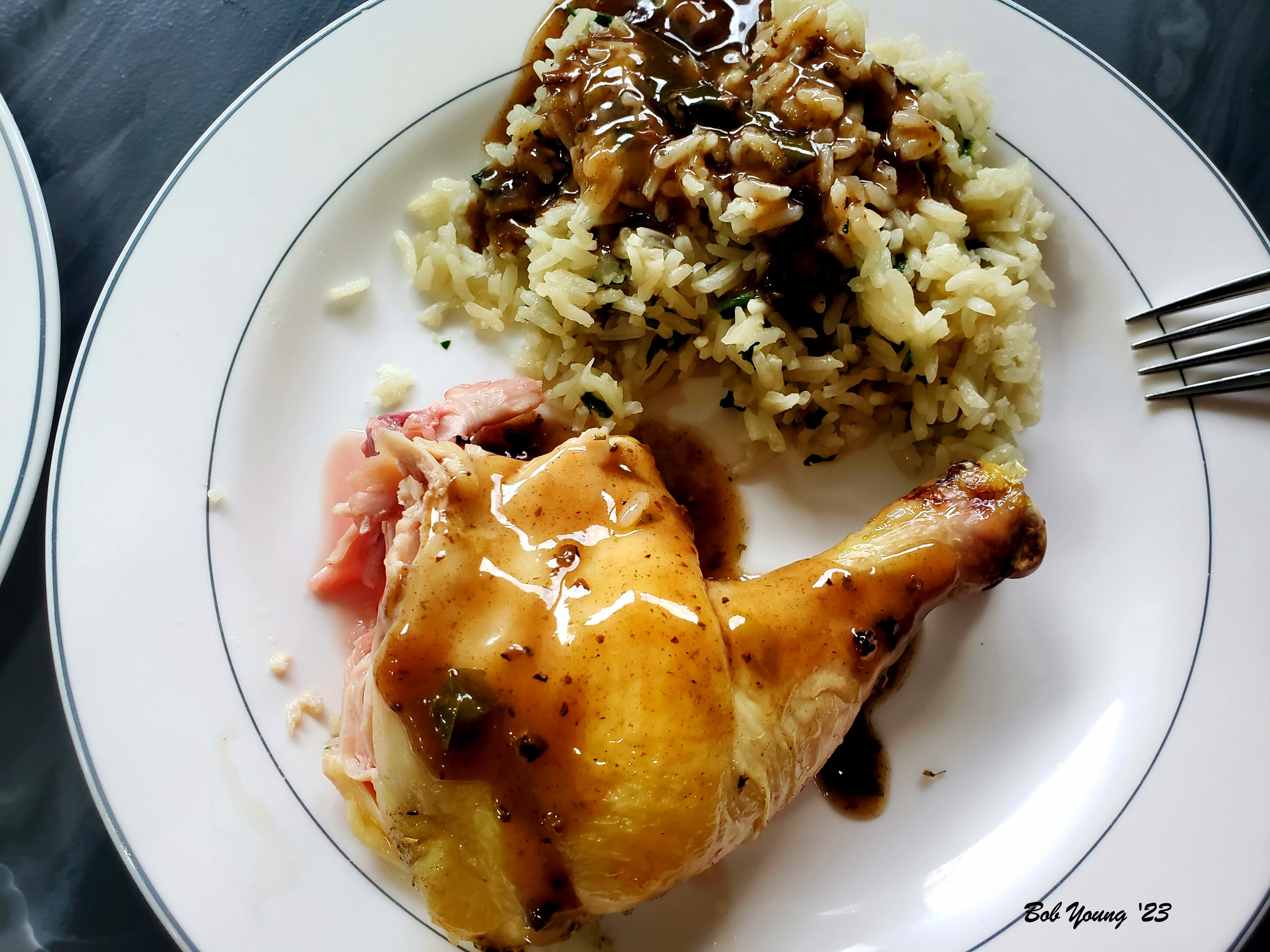
This one was, I thought, just a basic baked chicken and rice dish. But then I thought, plain Jasmin rice with a good baked chicken can be sort of mundane, so why not add some green onion – a very Oriental twist – and fresh spinach? That spinach was a surprise to some who ate it. And the pan drippings of the rosemary and sage can create a differently good gravy. It did! Even added a little to the rice, which gave it a whole new twist. I think, and use it quite often, that it is sinful to “dump the pan drippings” in the trash, so I used it. Not many in the household would do such a thing. Use those drippings!
Potatoes. They are good, but if it were up to some other cooks that need potatoes at every meal – you know who you are – at least change them up from peeled, water logged piles of something that resembles pablum, to maybe some good, crispy hash browns that don’t need to be only served at breakfast. And to, add something green, like the creamed spinach pictured here. Add some mushrooms to the pan dripping gravy from the seared pork chop. Don’t be afraid to be creative and adventuresome in preparing a meal. If nothing else, it’s fun!
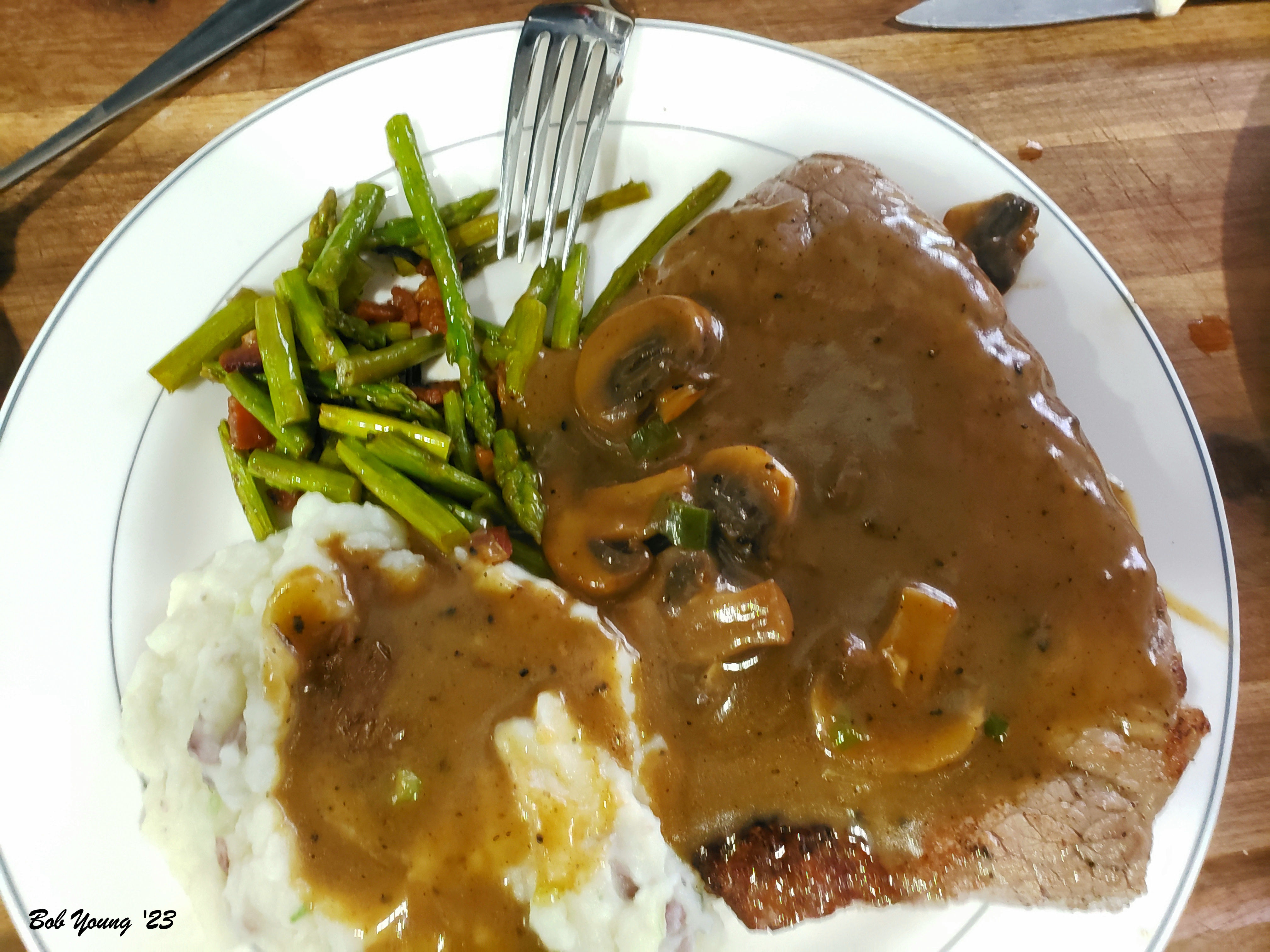
Here is another adventure. Steak with Mushroom and Onion Pan Gravy, Asparagus with Lardons and Green Onion and Smashed Potatoes and Gravy. (I used an hand masher and left the potatoes a little lumpy and as always, left the peels on.)
I guess I like to “mix things up” in the kitchen and try different variations of a given dish. Have fun when preparing and use your imagination. And, I might add, most of the products here came from the Boise Farmers Market.
I have been working on some new recipes for the past several weeks. I have 3 that I will post here. Hope you like them. Let me know. The3re will be at least three new recipes. My favorite oven bbq pork ribs, a really good bbq sauce in the Memphis style – slightly tart, but also with a sweetness. A Memphis style bbq rub that is great on ribs, beef, pork and chicken. Then a side dish – corn fritters, since corn is now in season. I grew up on these and love them. Almost as good as a corn pie! Most, but not all of the ingredients in the posted recipes, come from the Boise Farmer’s Market (BFM) and I am grateful for their products and information. Use your local farmer’s markets. Enjoy!
Starting with the Oven BBQ Pork Ribs, I have created our version of a Memphis style bbq rub. Sweet, but tangy. Best to be very generous with this rub and the longer it “cures”, stays refrigerated for awhile – I let the ribs I was doing to rest (cure) in the refrigerator for 24 hours. But that length of time is not essential. 8 hours will also work. Don’t forget to let the meat come to room temperature before you cook it. This rub is full of sugar, sea salt, onion powder and garlic granules, Aleppo pepper, cumin and smoky paprika. Great on the pork In did and super on chicken.
The BBQ Sauce I came up with, https://www.rockinrs.com/CS-BBQ-Sauce.pdf, CS BBQ Sauce, is thick and rich. Slightly smoky. Slightly tangy. It includes red onion, minced garlic, ketchup, dark brown sugar, apple cider vinegar and pomegranate molasses among some other ingredients. Check the recipe by clicking the link.
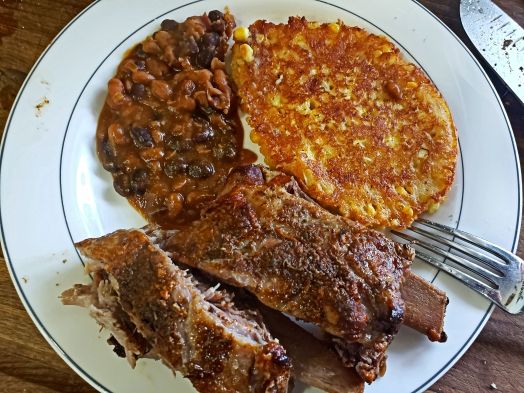
Now, IMNSHO, In My Opinion Not So Humble Opinion, are super good! And they are done in the oven. (Can these be considered truly BBQ Ribs?) As plated here, we added some of our Doctored Baked Beans and a Corn Fritter. Drizzle some CS BBQ Sauce over the ribs (even go well with the beans) and Yum-O! They fall of the bone and have great flavors from the rub and the sauce.
And since I mentioned Corn Fritters, they go really great for breakfast with eggs. The eggs above are basted. A very Pennsylvania Dutch (German) treat. I was raised on these and they were aq hit when I made them for folks. Not hard to do. Fresh corn works best, but frozen corn can also be used. Here they are served with fresh fruit and homemade sourdough bread toast.
The last item I want to share is a sourdough bread we have been working on since January of this year. Created our own starter and it takes a while to develop and experiment making bread and other treats. Sourdough Blueberry Muffins, for one. (https://www.rockinrs.com/Sourdough-Blueberry-Muffins.pdf) This bread I have baking in a Romertopf Clay Pot and it comes out just great.It is a full flavored sourdough. Robust. Makes great toast and sandwiches. Great grilled cheese.
So there you are. Try these and let us know if you liked them or not. If not, let us know why. Cheers and Good Eating!
I know. Its been a while. But it has been a learning session. Making sourdough starter, bread and pancakes. But it has been an exciting adventure and a real learning experience. Started out with a basic
The starter, in my opinion, must be active, bubbly and smell somewhat “sour”. It is the starter is what gives the bread it’s name – Sourdough Bread or Pancakes, Cookies, Bagels or a host of other baked goods their name. The starter pictured here is my starter and you can see how it has doubled in size and is nice and bubbly. Thee rubber band around the jar marks the level at the start and then one can “see” how the starter has grown, or not. The starter is not especially difficult to do, but it does take some time and persistence to create. Check the recipe above to see how it is done, but don’t be intimidated by it.
This is the bread right after it came out of the oven. The recipe link above has two different baking techniques listed. Personally I like the 500 degree F temperature best, but either one will work fine. See the recipe above. The crust could be a little browner, but not much more.
Here is the loaf after it has cooled and is partially sliced. Notice the crumb – the “holes” – in the surface and the color of the crust. Love the flavor from the starter. The interior is soft, but not gummy.. The crust is crunchy, but you won’t break any teeth on it. It is somewhat crunchy. However, it could be a little more crunchy.
And finally, we have one, of many uses, for the starter discard. Sourdough Pancakes. But you can also make cookies, bagels, rolls, etc. There are many recipes on the web, but the one I like is PantryMama, http://www.pantrymama.com. Many recipes there, but more importantly, much useful information and help in solving sourdough problems. You can also find help on Facebook.
So there you go! It was a long 5 weeks or so to gather, read and then produce this bread. It was a long process, but well worth it. And then too, I had a lot of personal help from friends and relatives. I want to Thank each and everyone who gave me assistance. Have fun with these recipes. It might be a new adventure, but a fun one. just remember – Temperatures are extremely important, so follow them closely. And please don’t use cups or ounces. Rather use an inexpensive digital scale that reads in tare and grams. They range from about $20 to well mover $100. The brand I use is Escali, for about $30 and it works just fine. And please too, use a 10 quart Cast Iron pan with lid.
Every once in a while, one comes across a variation to a classic recipe or style. This one I was dubious of. Who wants to tamper with a classic Eggs Benedict? It took me about a week to build up the courage to do so and I was pleasantly surprised. This really isn’t bad. A change.
Using a basic and classic Hollandaise Sauce (https://www.rockinrs.com/CIA-Basic-Hollandaise.pdf ) some lightly toasted Jewish Rye or Marbled Rye can be used also, some ham – I used a thin sliced Black Forest Ham – poached eggs and asparagus with diced caramelized spring onions and their greens (put uncooked diced green onion and greens on the Hollandaise, which I forgot to do, so I put them with the asparagus).
Just a note on making a Hollandaise Sauce – Use fresh eggs, the fresher the better from your local farmer – and I used large or jumbos, which ever is available. But most important is to keep the temperature in your double boiler to 130 degrees F or lower!!! The sauce is likely to break making scrambled eggs if you don’t watch the temperature.
Have a good time with this if you make it. You can vary your Eggs Benedict anyway you want.
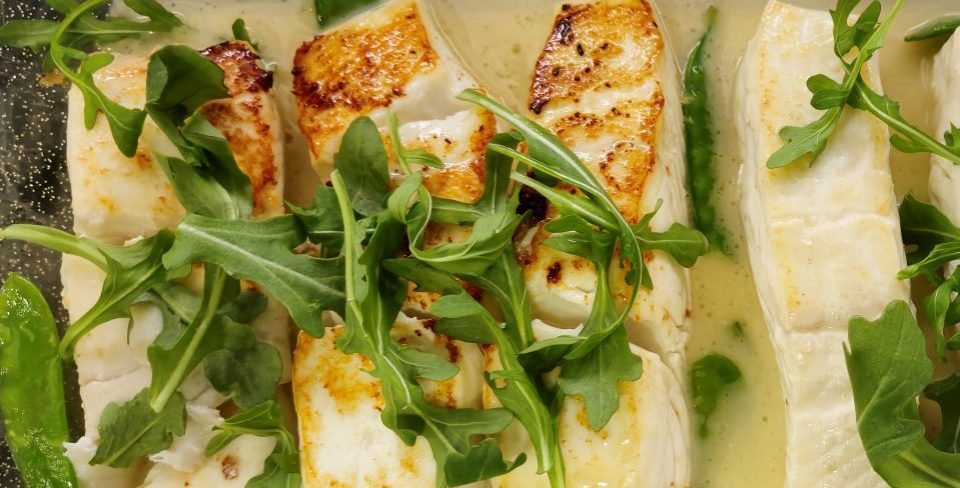
We had an awesome experience this past week and that was we had an awesome dinner at Bacquet’s Restaurant in Eagle, Idaho.We have been there before and it was superior then. It still is. We had more than the scallops pictured above, much more. But these, at least in my opinion, stood out. The food and the restaurant is easily deserves a 5-Star rating. Service was outstanding as was the food. If you are in the Boise area, Google the restaurant to find it and make reservations! (1117 E Winding Creek Dr, Eagle, ID 83616 (208) 377-6238) I asked for permission to use the recipe, and Michele Holly, Manager, was happy to give me permission to use the recipe. So here is a link to the recipe. https://www.rockinrs.com/St-Jacques-Scallops.pdf This recipe is not for the faint-of-heart home cook, but it is doable. Just take your time and follow the recipe.
The recipe calls for U10 scallops, so here is an explanation of just what that means. U10 size: Jumbo scallops are a dry scallop. All cold water ocean scallops have a succulent sweet texture and are 100% white meat. What does u-10 mean? It means that there are less than 10 scallops in a pound, and they are perfect for sauteing and broiling! These wild, jumbo sized Sea Scallops are harvested off the coast of Chatham, Massachusetts. Their size ensures a tender, succulent texture with loads of sweetness and just enough briny salinity to be both refreshing and satiating.
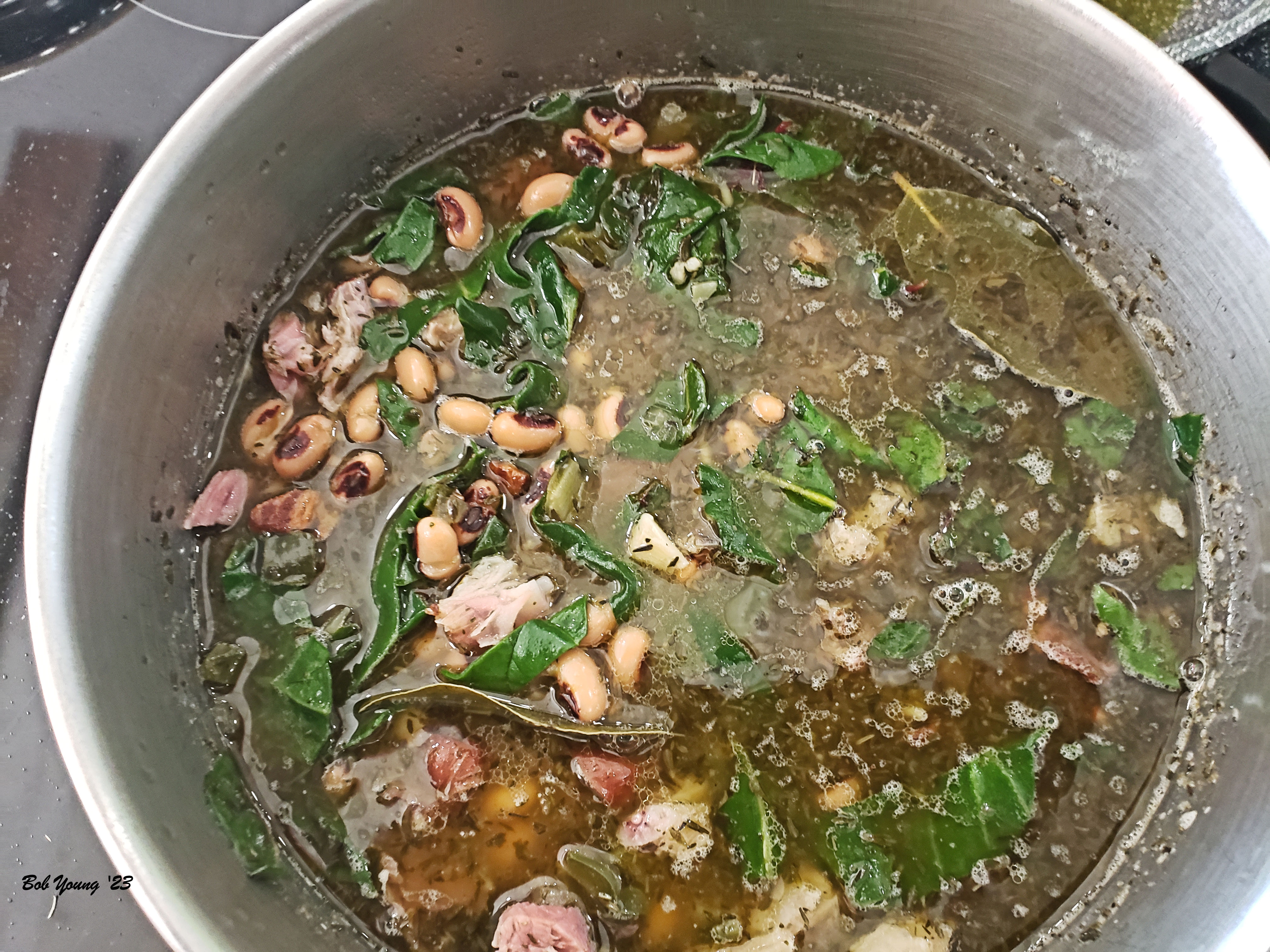
Over the past several weeks, we have made some really good meals. Potato Latkes for one (https://www.rockinrs.com/CS-Latkes.pdf), Hopping John, aka Hoppin’ John, (http://www.rockinrs.com/CS-Hopping-John.pdf) and an East Coast style Crab Dip (http://www.rockinrs.com/Marges-Crab-Dip.pdf). Potato latkes are a traditional Chanukah dish,Hoppin’ John is a traditional southern, New Year’s Day meal with ham hocks and black eyed peas (cow peas) and a superb East coast style crab dip. I do hope you enjoy these.
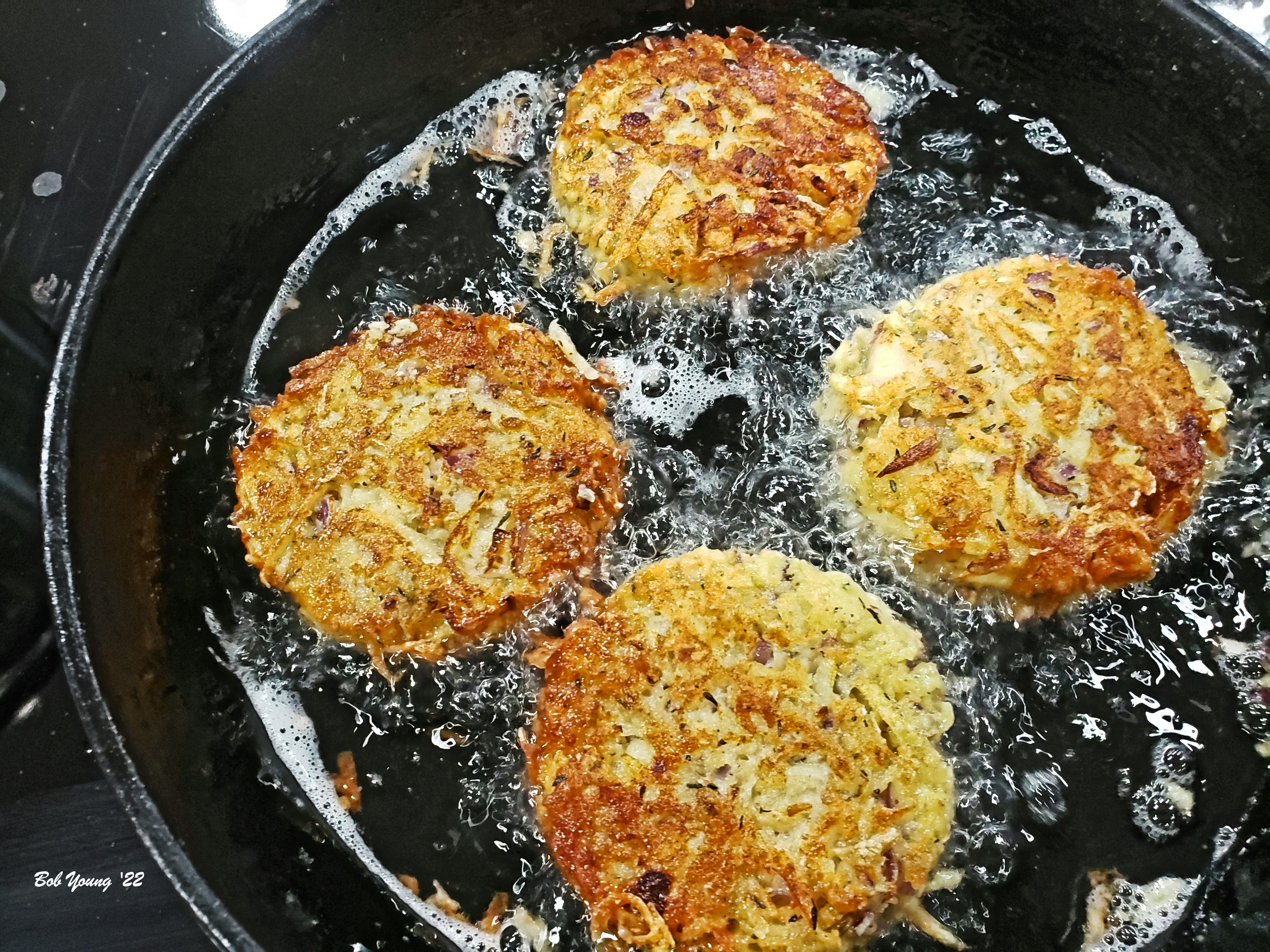
From Chabad.com we learn that,
“Latke (pronounced LOT-keh, LOT-kah or LOT-kee) is Yiddish for “pancake.” On Chanukah, it is traditional to serve latkes (most often potato)fried in oil to celebrate the Chanukah miracle, which involved the oil of the Templemenorah lasting for eight days instead of just one. Those of the Jewish faith, eat foods that reflect the significance of a holiday—such as matzah on Passover and apples dipped in honey on Rosh Hashanah and Chanukah is no exception. For at least the last thousand years, Jews have traditionally eaten oily foods on Chanukah.” In other words, it’s tradition.
Hoppin’ John, on the other hand, is a traditional southern United States dish that is usually eaten on New Year’s Day to bring good luck. The recipe, although not totally like this one, dates back to the early 1800s and is made with ham, or ham hocks, black eyed peas (cow peas), rice, bacon and collard greens, or if you want spinach or rainbow chard. The first written recipe appeared in “the Carolina Housewife” in 1847. It was written by Charlestonian Sarah Rutledge.
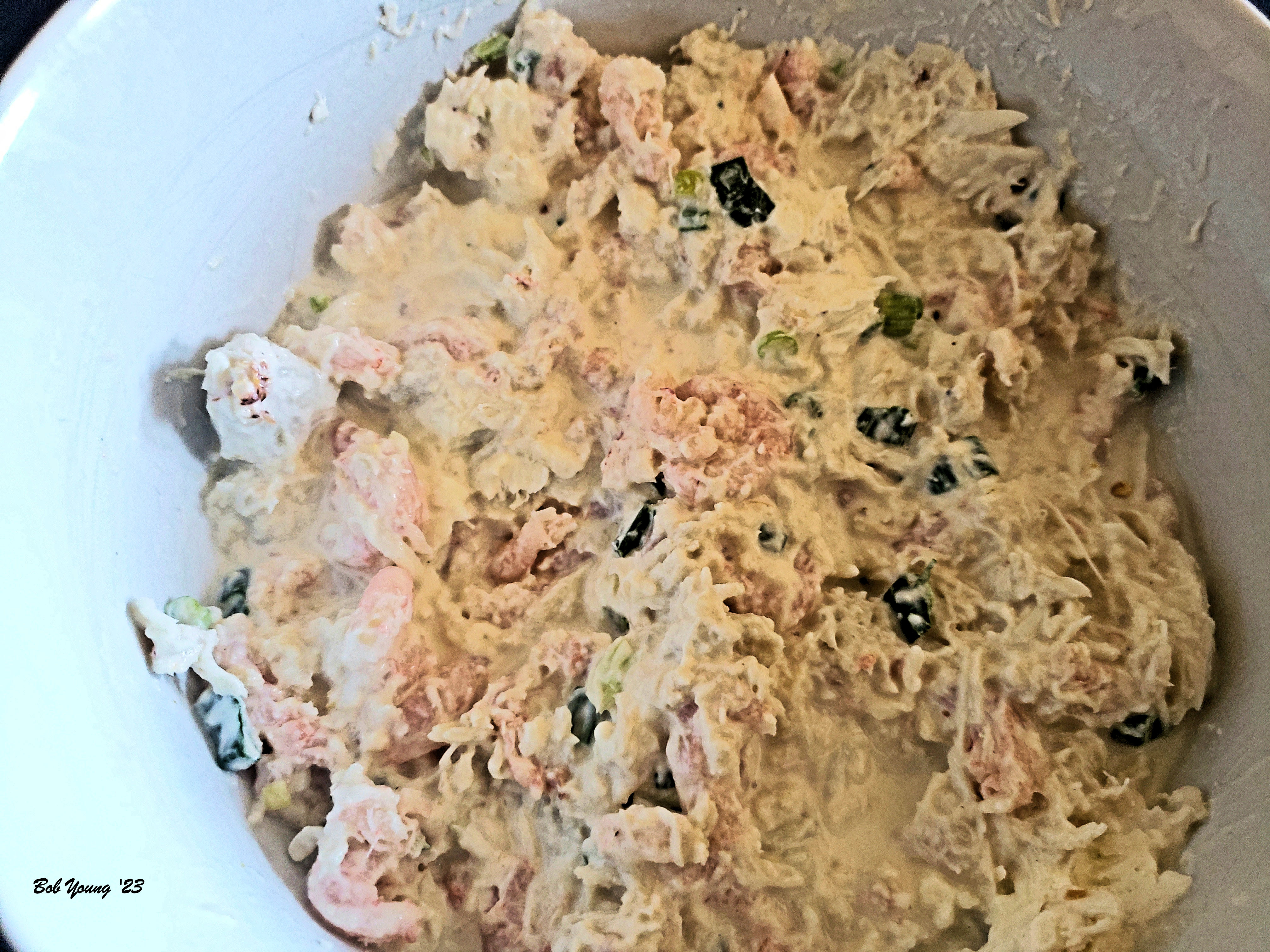
This third dish is actually an appetizer. We originally had it at the home of my brother and his wife. I love it! Full of blue crab and I have added the salad shrimp and green onion. It is probably best to make it and then refrigerate it for a while so as to let all the flavors “marry”. Chilling after making, brings out the sweetness and flavor of the blue crab. Chilling brings out the Taste of The Sea, Goût de la mer.
I hope you try some, or all, of these recipes. All are good and fun to prepare, even though the Hoppin’ John is a little involved to make, but not impossible.
So now I am confronted with a dilemma. First, how many times do I chew a bite before I swallow? 5 times? 10 times? 20 times? 30 times?
And the second part of the dilemma is do I peel potatoes, carrots and tomatoes before I use them in a recipe?
My sources for this article are varied and it has taken a while to research the questions. My sources include, but are limited to thekitchn, healthline, intestinal.com and others. Most of the many resources reiterate
the answers, so I have chosen and condensed the articles to create this post. I do hope you find the information helpful and healthy.
Let’s start with chewing.Chewing creates more digestive enzymes in the saliva and are helpful in breaking down food further and to aid in digestion. Chewing also triggers the stomach to produce more hydrochloric acid and regulating the pH to assist in food breakdown. When you chew your food properly, the food gets broken down into smaller pieces and mixes with saliva to extract the greatest amount of nutrients,
If you are not chewing your food thoroughly, you are likely eating to quickly which can lead to over eating. The metabolic syndrome is marked by obesity, high cholesterol levels, blood pressure problems and glucose levels to high. Metabolic Syndrome can increase your risk of cardiovascular disease, diabetes and certain cancers. (Dr. Supriya Rao, MD, Gastroenterology Consultants)
If you don’t chew your food enough, it could lead to bloating, diarrhea, heartburn, acid reflux, cramps, nausea, headaches, skin problems, irritability, malnutrition and a over production of gas. Eating more fermented foods, sauerkraut and pickles for instance, will produce more digestive enzymes and beneficial bacteria. They can reduce symptoms of irritable bowel syndrome, gluten intolerance, allergies and asthma.
It is strongly that you chew your foods a minimum of 32 times! When I site in restaurants and around our table at meal time, I count my chews and everyone else. Mine, and my wifes, are right around 30+ chews before we swallow. I can’t say that for the people I am watching. 5 times, 10 times and swallow. So my question is: How can they possibly say they enjoyed their meal? They can’t! It’s your choice. Choose wisely.
Tomatoes, Carrots and Potatoes. To peel or not to peel?
By leaving the peels on the listed vegetables, and there are others too, The peels contain soluble and insoluble fiber, and both are important components of a healthy diet and add to the flavor of most dishes. Those vegetables that should be peeled, the peels are tough and hard to eat, are kabocha ( a sweet squash variety in the Cucurbitaceae family, related to gourds and pumpkins). Professional and home chefs cherish Kabocha for its exceptionally sweet flavor. Kabocha is considered to be even sweeter than butternut squash), red kuri (Red kuri squash is a small or medium sized winter squash with a hard, orange skin that can be used in all kinds of sweet and savory recipes), celery root and kohlrabi. Generally, unpeeled produce contains higher amounts of vitamins, minerals and other useful compounds, whereas peeled vegetables have had these compounds removed. Interesting to know that potatoes that are boiled or cooked with the skin on contain 332% more vitamin K, 142% more potassium, 111% more folate and 110% more magnesium and phosphorus than peeled potatoes. And fruits can contain 328 times more antioxidants in the peels than in the pulp. The peels can increase your intake of these nutrients when eaten with the pulp.
Tomato peels contain flavanols, a plant-based antioxidant and are linked to age related complications, i.e., lower risk of cancer and cardiovascular disease. Lycopene, a major source of antioxidants, is found in the tomato skins. If the skins of tomatoes are offensive to you, that is bitter, use a submersible hand blender to completely grind the skins into fine “bits”. The liquid will then be like a passata.
So there you have some information on fruits and vegetables. Use the information as you wish. If you question anything related to this article, please contact me and I will answer your questions. Thanks.
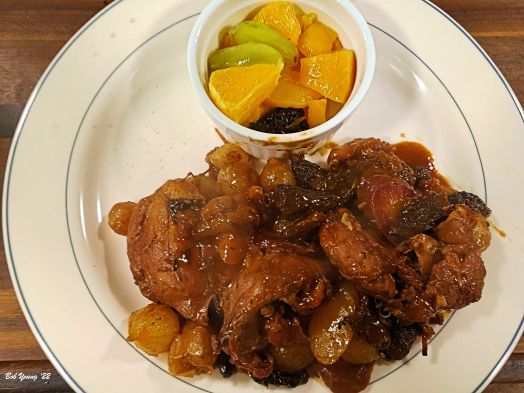
Coq au Vin, Rooster in Wine, was my choice this year to make for Robin, my wife of almost 40 years, and Marnie, my daughter. It’s not for the faint of heart. It takes some ambition and time. But it is well worth it. Delicious!
Just a few suggestions. Prep your ingredients first. I suggest paper bowls for your prep work. Take your time and don’t rush through this. If you are thinking of using an Instant Pot, try, instead, a large cast-iron skillet, at least 2″ deep and a glass lid, you can’t watch the cooking through a solid lid. The dish takes almost a constant vigil.
I used a package of frozen Pearl Onions instead of fresh ones that I would have to peel; heirloom carrots instead of the orange ones; Courvoisier Cognac instead of brandy; dried morel mushrooms reconstituted in the wine used for the dish instead of button mushrooms; pork belly cut into strips instead of bacon and for the beurre manie, I just added to the oil in the pan some flour for thickening. For the chicken, I used boneless, skinless chicken thighs. The original recipe, Julia Child’s, calls for you to cut up a chicken. (Still had to skin and de-bone the thighs.)
And this really needs to be emphasized: Watch your temperatures and don’t burn the sauce. Keep the liquid level just covering the chicken – use chicken stock, not broth, if necessary – and use a medium to low simmer temperature.
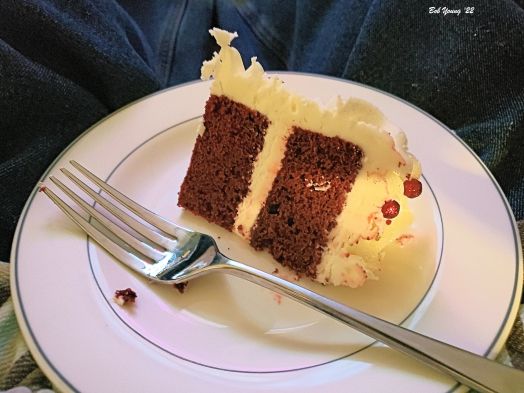
In my opinion, the dish has enough vegetables in it. So I did not use asparagus or rice to serve with it. I also served it with a dish of fresh cut fruit. Marnie had a Red Velvet Cake for dessert Try this and let us know what you think. We loved it.
Here are two meals we made. The first is probably one of the best alfredo sauces I have ever eaten. Not “gummy” with cheese, but rather clean and smooth. Shrimp went very well with the sauce. The second is an “Old Persons Meal”, of sorts. Fried chicken with garlic mashed potatoes with pan dripping gravy and garden green beans. Enjoy these.
The recipe calls for penne pasta, but we didn’t have any. So we used linguini which worked very well. The shrimp really added to the dish – you could probably use any seafood, scallops, lobster or Dungeness crab might be good, or other protein. Use your imagination.
The Alfredo was smooth and creamy and not grainy. It added to the shrimp we used and did not conflict with it. Several flavor levels came through that were delicious.
Fried Chicken
I have had problems when frying chicken, but this one seems to have over come that flaw. I added some baking powder to the flour that I used to coat the chicken and beaten egg to dredge the chicken in before the flour. We also made sure the chicken was dry before dredging. Cook slowly over medium high heat for about 5 minutes per side, taking care not to burn the chicken. Start cooking skin side down. We always use thighs, or second joints if you are on the East coast, bone-in and skin on.
The gravy was made from the pan drippings to which we added some flour and some wine. Made sure that was all mixed then added some half and half and completely combined to make the smooth gravy. It was delicious.
So there are two more meals from this past week. Next thing I am trying is Coq au Vin, Rooster in Wine. Probably not as good as Julia Child would do, but good nonetheless. Stay tuned and Good Eating!