The 39th Anniversary of My 29th Birthday!


Such an awesome dinner at Le Cafe de Paris here in Boise for my birthday dinner. Thank-You Robin for being here and there and everywhere. Here’s what we had for dinner. Enjoy, we did!

Sourdough Bread


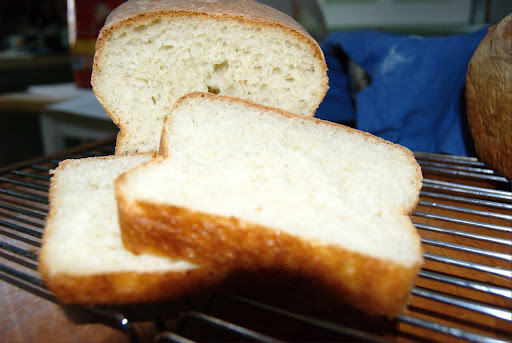
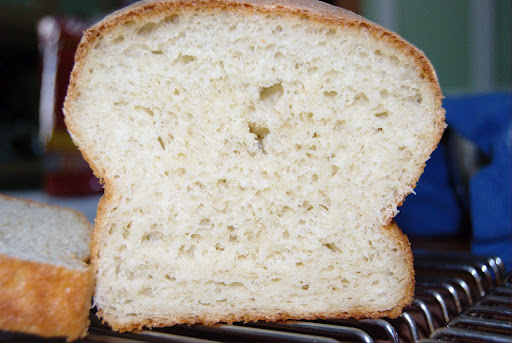
Now this is how a Sourdough Bread should look like. Your goal? The same as mine – make a loaf of sourdough that looks like this. There are 100’s, if not more, variations for a good sourdough. This one is my take on this traditional bread. The difference? I don’t use sugar, as such. I replaced the sugar with honey. If I could find Tupelo Honey, I’d use it. The closest that I can find is from WinCo’s bulk honey – an orange honey that is pretty good and has that Tupelo blossom flavor. Well, sort of. It’s close. Give this recipe a try. I hope you like it. Enjoy!

King Arthur’s Sourdough Bread
Rustic Sourdough Bread

Source: Bob Young adapted from Rustic Sourdough Bread: King Arthur Flour

This chewy loaf, with its deep-brown crust, can be made in two versions: with rich, deep, flavor, and very mild tang; or with assertive sour flavor, typical of a San Francisco sourdough loaf. Read our blog about this bread, with additional photos, at Bakers Banter Blog. This recipe was adapted by me from the King Arthur Flour web page and Bakers Banter Blog.

Ingredients:
1 c “fed” sourdough starter (See Note)
1½ c lukewarm Water, 100ºF
2 t instant Yeast
2 T Honey
2½ t Salt
5 c King Arthur’s Unbleached All Purpose Flour

Directions:
1) Combine all of the ingredients, kneading to form a smooth dough.
2) Allow the dough to rise, in a covered bowl, until it’s doubled in size, about 90 minutes.
3) Gently divide the dough in half; it’ll deflate somewhat.
4) Gently shape the dough into two oval loaves, and place them on a lightly greased or parchment-lined baking sheet. Cover and let rise until very puffy, about 1 hour. Towards the end of the rising time, preheat the oven to 425°F.
5) Spray the loaves with lukewarm water.
6) Make two fairly deep horizontal slashes in each; a serrated bread knife, wielded firmly, works well here.
7) Bake the bread for 25 to 30 minutes, until it’s a very deep golden brown. Remove it from the oven, and cool on a rack.

Note – To feed a sourdough starter:
Remove 1 cup of your starter and either give it away and let a friend start their own or make pancakes or waffles.
Add –
½ c 100°F Water
1 c King Arthur Unbleached All Purpose flour
Stir to completely blend and let sit 12 hours before using.

Salt – How Much Is Too Much?


So after I posted the article the other day, Robin asked if I was going to post an article on the side effects of salt. So after looking around, here is an excerpted article from the Mayo Clinic on salt. You can read the entire article by Clicking Here

Sodium: Are you getting too much?

Find out how much sodium you really need, what high-sodium foods to avoid, and ways to prepare and serve foods without adding salt or sodium.
By Mayo Clinic staff

Sodium: Essential in small amounts
Your body needs some sodium to function properly.

Sodium:
■Helps maintain the right balance of fluids in your body
■Helps transmit nerve impulses
■Influences the contraction and relaxation of muscles
Your kidneys regulate the amount of sodium kept in your body. When sodium levels are low, your kidneys conserve sodium. When levels are high, they excrete the excess amount in urine.

How much sodium do you need?
Various organizations, including the National Academy of Sciences’ Institute of Medicine, have published recommendations on daily sodium limits. Most recommend not exceeding the range of 1,500 and 2,400 milligrams (mg) a day for healthy adults. Keep in mind that the lower your sodium, the more beneficial effect on blood pressure.

If you are older than 50, are black or have a health condition such as high blood pressure, chronic kidney disease or diabetes, you may be more sensitive to the blood pressure raising effects of sodium. As a result, aim for a sodium limit at the low end of the range recommended for healthy adults. Talk to your doctor about the sodium limit that’s best for you.

Three main sources of sodium
The average U.S. diet has three main sources of sodium:

Processed and prepared foods. Most sodium in a person’s diet comes from eating processed and prepared foods, such as canned vegetables, soups, luncheon meats and frozen foods. Food manufacturers use salt or other sodium-containing compounds to preserve food and to improve the taste and texture of food.

Sodium-containing condiments. One teaspoon (5 milliliters) of table salt has 2,325 mg of sodium, and 1 tablespoon (15 milliliters) of soy sauce has about 900 to 1,000 mg of sodium. Adding these or other sodium-laden condiments to your meals — either while cooking or at the table — raises the sodium count of food.

Natural sources of sodium. Sodium naturally occurs in some foods, such as meat, poultry, dairy products and vegetables. For example, 1 cup (237 milliliters) of low-fat milk has about 107 mg of sodium.

Be a savvy shopper: Find the sodium
Taste alone may not tell you which foods are high in sodium. For example, you may not think a bagel tastes salty, but a 4-inch (10-centimeter) oat-bran bagel has 451 mg of sodium.

So how do you identify foods high in sodium? The best way to determine sodium content is to read food labels. The Nutrition Facts label tells you how much sodium is in each serving. It also lists whether salt or sodium-containing compounds are ingredients. Examples of these compounds include:

■Monosodium glutamate (MSG)
■Baking soda
■Baking powder
■Disodium phosphate
■Sodium alginate
■Sodium nitrate or nitrite

How to cut sodium
You may or may not be particularly sensitive to the effects of sodium. And because there’s no way to know who might develop high blood pressure as a result of a high-sodium diet, choose and prepare foods with less sodium.

You can cut sodium several ways:

■Eat more fresh foods and fewer processed foods. Most fresh fruits and vegetables are naturally low in sodium. Also, fresh meat is lower in sodium than luncheon meat, bacon, hot dogs, sausage and ham are. Buy fresh and frozen poultry or meat that hasn’t been injected with a sodium-containing solution. Look on the label or ask your butcher.

■Opt for low-sodium products. If you do buy processed foods, select those that have reduced sodium.

■Remove salt from recipes whenever possible. You can leave out the salt in many recipes, including casseroles, stews and other main dishes. Baked goods are an exception. Leaving out the salt could affect the quality as well as the taste of the food.

■Limit your use of sodium-laden condiments. Salad dressings, sauces, dips, ketchup, mustard and relish all contain sodium.

■Use herbs, spices and other flavorings to enhance foods. Learn how to use fresh or dried herbs, spices, zest from citrus fruit, and fruit juices to jazz up your meals.

■Use salt substitutes wisely. Some salt substitutes or light salts contain a mixture of table salt (sodium chloride) and other compounds. To achieve that familiar salty taste, you may use too much of the substitute and actually not use less sodium. In addition, many salt substitutes contain potassium chloride. Though dietary potassium can lessen some of the harm of excess sodium, too much supplemental potassium can be harmful if you have kidney problems or if you’re taking medications for congestive heart failure or high blood pressure that cause potassium retention.

Your taste for salt is acquired, so it’s reversible. To unlearn this salty savoring, decrease your use of salt gradually and your taste buds will adjust. Most people find that after a few weeks of cutting salt, they no longer miss it. Start by using no more than 1/4 teaspoon (1 milliliter) of added salt daily, and then gradually reduce to no salt add-ons. As you use less salt, your preference for it lessens, allowing you to enjoy the taste of food itself.

So there you have some information on the consumption of salt. Don’t get me wrong, I am not advocating eliminating salt in your cooking – just be aware of the consequences of salt and try to keep your intake to 1500mg a day. As the article suggests, use more herbs and spices and stay away from processed foods. Make your own. That’s why they made kitchens!! Cheers.

What’s For Dinner? 30 March


What’s for dinner?

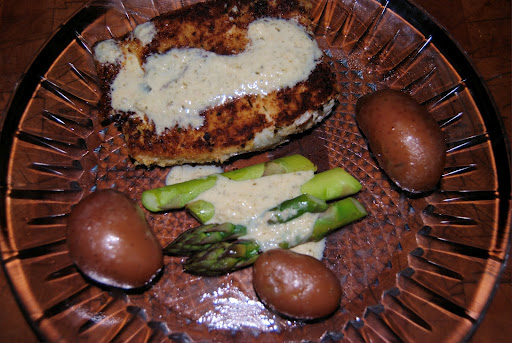
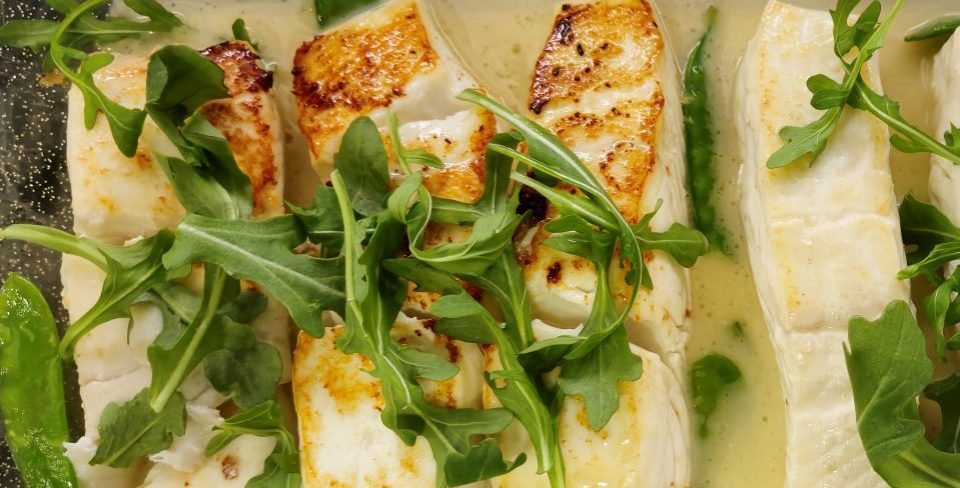
Sauteed Halibut with Bearnaise Sauce

Steamed Asparagus

Slow Boiled New Buttered Potatoes

2007 Rancho Sisquoc Chardonnay

Oh my, Robin made an awesome breakfast, so I had to try this. Actually it turned out pretty good for a SOP recipe. Easy to do, just takes a little pre-thought. Now I know that Geno and Debra would like this, but they are not in the area for a while. So, we had to eat it all by ourselves. We need to have a Circulating Dinner Party sometime! That would be fun. Cheers!

Salt


It never really fails that when I want to connect something to a blog page or a web page, something always seems to go wrong. This article is no exception. Here is a link from, of all places, King Arthur Flour on Salt. If you always wanted to know about some of the different types of salt, here is a good resource. Enjoy! Here are 3 such salts, but the article has more.

Sous Vide – What is it?


This is actually nothing new. My mother used to freeze corn, for instance, and then cook it in the pouch. This is very similar, but Sous Vide uses vacuum pouches. From the Sous Vide website, I found this information.

First used in kitchens in France in the 1970s, sous vide cooking is the process of cooking vacuum sealed food in a low temperature water bath to achieve texture and doneness not found in other cooking techniques. This technique has slowly been spreading around the world in professional kitchens everywhere and is finally making the jump to home kitchens.

The basic concept of sous vide cooking is that food should be cooked at the temperature it will be served at. For instance, if you are cooking a steak , or Rosemary Chicken (pictured) to medium rare, you want to serve it at 125 degrees Fahrenheit, the chicken would be to 160 degrees F. Most times you would cook it on a hot grill or oven at around 400-500 degrees and pull it off at the right moment when the middle has reached 125 degrees. This results in a bulls eye effect of burnt meat on the outside turning to medium rare in the middle.

This steak cooked sous vide would be cooked at 125 degrees for several hours. This will result in the entire piece of meat being a perfectly cooked medium rare.

Why Cook with Sous Vide?
Just like any method of applying heat to food there are many reasons to use sous vide cooking, depending on what you are trying to accomplish.

Because food cooked in the sous vide style is vacuum sealed, when it is cooked it doesn’t lose any of the food’s moisture or flavor. This is especially exciting when compared to braising, where most of the flavor is transferred to the sauce because of the lose of juices.

Sous vide cooking also allows you to cook tough cuts of meat at an incredibly low temperature, not only tenderizing them but keeping them perfectly cooked at medium-rare. This is very effective for shanks, roasts and other pieces of meat that are typically braised or roaster.

Cooking food in the sous vide method also results in new textures. This is because the vacuum sealing process can make food denser (like watermelons, for example), and because the lack of the typical high high can result in silky and smooth textured food that is impossible to replicate in the oven or pan.

A great example of the power of sous vide cooking is short ribs. Normally short ribs are braised for hours or cooked in the oven at low heat, resulting in very tender meat that has lost most of its flavor to the sauce. Using sous vide you can cook those ribs perfectly medium-rare, retain all their moisture and juice, and tenderize them all at the same time, resulting in the best short ribs you’ve ever had.

Sous Vide Freezer Steaks

Time: 2 hours
Temperature: 131F / 55C
Serves: 4, with sides

Ingredients:
2 pounds of steak, cut 1/2 – 2 inches thick, seasoned, vacuum sealed and frozen
1/2 teaspoon garlic powder
1/8 teaspoon thyme powder
or seasonings of your choice

Instructions:
Pre-Bath
Pre-heat your sous vide water bath to 131F.

You can either prepared the steaks by seasoning and vacuum sealing them, then freezing them. You can do this step several months in advance. The other option is to take previously frozen steaks and put them into a vacuum pouch while still frozen with the seasonings and seal them.

Once the sous vide water is pre-heated put the steaks into the water.

Finishing the Sous Vide Freezer Steaks
Take the steaks out of the pouches and pat dry. Sear the sous vide steaks on a grill, a hot pan, or with a torch and serve.

Have fun with this and see what you can come up with. Vacuum sealers are easily available at most kitchen stores and discount stores. Cheers!

"Rudy’s – A Cooks Paradise" Food Trivia


Here it is …. another week and time to post Rudy’s – A cooks Paradise Food trivia. Do enjoy these words of wisdom and visit Rudy’s online or in person. Cheers!

This Week in the History of Food & Drink

March 29: National Lemon Chiffon Cake Day

March 30, 1868: The Pullman Palace Car Company introduced the first railroad dining car. (Happy 25th Anniversary to my favorite chef of all time.)

March 31, 1989: Chefs from Japanese restaurants in New York have finally persuaded the FDA to allow them to import and serve fogu. The first shipment of Japanese blowfish (tora fugu) arrived today. The chefs had to attend special classes to protect their customers from poisoning.

April 1: Trout season begins in Iceland. Oh, and it’s April Fools Day, among other things!

April 2: Emile Zola was born. French writer and critic who was also known as a gourmand. His detailed descriptions of simple meals, banquets and eating in his novels are among the best to be found anywhere. He was also known for his own luxury dinner parties. “What will be the death of me are bouillabaisses, food spiced with pimiento, shellfish, and a load of exquisite rubbish which I eat in disproportionate quantities.”

April 3: National Chocolate Mousse Day

There you have this weeks food trivia. Enjoy!

Trial Run Easter Dinner 2010


Easter is still a week away, but when you change your “traditional” dinner from lamb to say ….. well, ham, you have to make a trial run. And too, you have to have some idea of how you are going to prepare it. We decided not to go again, the “traditional” way of pineapple. Instead, we are going to use Elderberry Sauce for the coating and blending with it, clove. And about 2 pints or so of water in the pan to collect those drippings. Save those drippings. And bake with the ham some Sweet Potato or Yam. The photo here is after 1 hour at 375 degrees F. Time to re-bast with the elderberry. Don’t be afraid to let it drip into the water, which is now full of ham juice. Don’t let
this liquid dry up. It’ll make an awesome reduced sauce. After about 2 hours at 375 degrees F, the ham should be done. Remove it from the oven and let cool for about 20 minutes. Bast one more time while still hot. Let the elderberry sauce drip into the pan. Chill the pan drippings and skim off the fat. Make a roux and remove from the pan and set aside. Pour the drippings into the pan. Reduce by about 1/2. Add the roux and thicken. Plate the meal with sauteed asparagus and the potato. You can either slice the potatoes or gently “mash” them, leaving some chunks. Place some of the Ham Elderberry Reduction on the potatoes and ham. Serve with a 2008 Tualatin Estate Frizzante Muscat or a good Asti. Cheers!

"Seasons" April Schedule


Here is the April schedule of events at the Seasons in Eagle.

Subject: April Events

Friday April 2, 2010 :: 6:00pm The Bodo Brothers hail from Boise, Idaho, but their music was born in Mississippi’s hill country, Chicago’s blues clubs, and the juke joints, railyards and work farms of the Deep South. They have been awarded the ”People’s Choice Award” as favorite blues band at “Blues, Brews and BBQs”
Michael Laky

Saturday April 3, 2010 :: 6:00pm With Dinner Specials

Easter Brunch Sunday April 4, 2010 :: 10:00am 3-Seatings: 10:00am/12:00pm/2:00pm

Stuffed French Toast, Apple-Sour Cream Coffee Cake, Soft Scrambled Eggs, Bacon, Sausage, Fruit, Smoked Salmon with mini Bagels and Mini Easter cupcakes. Mimosas will be available.

2:00pm
Spring Mix with Apples, Candied Walnuts and warm Bacon Dressing, Swedish Poached Ham with Dijon Mustard and Breadcrumbs, Scalloped Potatoes, Chilled Asparagus Salad with grated Egg & Vinaigrette

Women and Wine
Monday April 5, 2010 :: 6:00pm
Every Monday at Seasons we will be featuring Women and Wine. Come alone and meet your neighbors or bring a friend and learn about different featured wine and cheese pairings. Cost-$15.00 per person

Blaze & Kelly LIVE
Friday April 9th 6:00pm
New York Strip & Snapper with Lemon Dill Sauce

Steve Eaton Live
Saturday April 10, 2010 :: 6:00pm New York Strip & Snapper with Lemon Dill Sauce
Reservations recommended

Women and Wine
Monday April 12, 2010 :: 6:00pm Every Monday at Seasons we will be featuring Women and Wine. Come alone or bring a friend and learn about different featured wine and cheese pairings. Cost-$15.00 per person

Van Paepeghem Quartet
Tuesday April 13, 2010 :: 6:00pm Seafood Gumbo, Shrimp Creole, Fried Catfish, Hushpuppies & Coleslaw

Women and Wine
Monday April 19, 2010 :: 6:00pm Every Monday at Seasons we will be featuring women and wine. Come alone or bring a friend and learn about different featured wine and cheese pairings. Cost-$15.00 per person

Single Car Garage Band
Friday April 23, 2010 :: 12:00pm With Dinner Specials

Flamenco Night with Riccardo
Saturday April 24, 2010 :: 6:00pm Dinner Specials

Women and Wine
Monday April 26, 2010 :: 6:00pm Every Monday at Seasons we will be featuring Women and Wine. Come alone or bring a friend and learn about different featured wine and cheese pairings. Cost-$15.00 per person

Jazz with Van Paepeghem Quartet
Tuesday April 27, 2010 :: 6:00pm Lamb Tagine, Moroccan Chicken, Cous Cous

Seasons Wineauxs Dinner Club
Wednesday April 28, 2010 :: 6:00pm 6:00-7:00pm/Happy Hour
7:00-9:00PM-Seasons Wineauxs paired dinner
$35.00- members $40.00-non-members

Live Music with Will Bell
Friday April 30, 2010 :: 6:00pm
Dinner Special: Seared Ahi Tuna Salad

InfoHours: 11 AM – 8 PM Mon – Thu
11 AM – 9 PM Fri – Sat
Phone: http://www.facebook.com/l/a762f;208.939.6680
Fax: http://www.facebook.com/l/a762f;208.938.1553
E-Mail: rachel@seasonsdelicatering.com

© 2010 Eagle, ID Restaurant – Seasons Bistro, Wine Bar, Catering (208)939-6680

The Buzz – Zonin Dinner


On March 27, Robin and I and Marnie and Mac all went to the Buzz for another in their series of quarterly Wine Dinners. This time the wines were presented by Zonin Winery direct from Italy. Christie, Debbie and Tom did a fantastic job in paring the wines and preparing the 7 course dinner. Look what we had. My wine scores are in parenthesis. 20 points possible.

On Table

Salami Carpaccio
Breads and Dipping Oils


Antipasti

Mozzarella Puffs
Funghi Marinati
Perreroni Marinati

2006 Zonin Sasseo Primitivo Masseria Altemura
13.5% (16)

Pasti

Pasta with Lentil Sauce

2004 Zonin Chianti Classico Reserva Castello D’albola
13.0% (18)

Salad

Grilled Onion Salad

2008 Zonin Insola Principi di Byuera
13.5% (18)

It was good to have Mac and Marnie with us for dinner.

La Dolce Vita

Shrimp Scampi

2008 Zonin Le Focaie Rocca di Montemassi
13.5% (18)


Entrèe

Chicken with Lemon and Wine
Oven Fries
Steamed Asparagus with Lemon

2005 Zonin Sassabruna Rocca di Montemassi
13.0% (19)

Dessert

Granita de Caffe
Blackberry Pound Cake with Moscato Ctream

NV Zonin Proseco NL
11% (17)

So there you have another exciting quarterly wine dinner at the Buzz. Remember, there is also a monthly wine dinner held on the 2nd Tuesday and Wednesday of each month. Seating is limited to 40 people, so call for reservations. The quarterly dinners are special so they cost $25 per person. The monthly dinners are $15 per person. Cheers and hope to see you at the next event.