• About and Contact
  • Air Fryer Cooking Charts and Conversions
  • Air Fryer Recipes – Update: August 2020 – Chicken Olivia
  • Barcode Country List
  • Boise Foodie Blog Recipes – Updates: Nov 2024 Basic Hollandaise Sauce and Cream of Mushroom Soup
  • Boise Restaurant Guide – 52 Restaurant Choices! Updated: July 2018
  • Companion Garden Planting
  • Instant Pot Recipes – Update August 2020 – IP Chicken with Ketchup, Honey and Soy
  • Recipes from the Captain’s Shack: Dec 2020 – CS Prime Rib

Boise Foodie Guild

~ – Enjoy a meal or a recipe with us! Be sure to check the Sidebar and Menu above. Interesting resources are listed there. Most are hot links. Air Fryer (AF), Instant Pot (IP) and Captain's Shack (CS) recipes now have their own page. Subscribe to the blog. It's still FREE!

Boise Foodie Guild

Category Archives: Anthropology of Food

Short Grain vs Medium Grain vs Long Grain Rice

19 Saturday Mar 2011

Posted by Bob and Robin in Anthropology of Food, Rice, Special Information, What's For Dinner?

≈ 2 Comments


I had the car radio on while driving through Boise and the station was our local NPR station – the car radio only gets one station! They were having a discussion on the different types, not particularly the different kinds, of rice. No, rice is not just rice. With over 40,000 different kinds of rice, the varieties are almost endless. If you wanted to try a different kind of rice each day until you got through those 40,000 varieties, it would take you 105.9 years! It’s probably too late for me to start that experiment now. So, I thought it might be interesting to explore this idea and get to know rice. Here goes -In looking at many, many pages on rice types and kinds, I did find this one from Hubpages about the 3 classifications (types) for rice. Here is part of that article.

3 Classifications for Rice Length: Long, Medium and Short

By Kathryn Vercillo

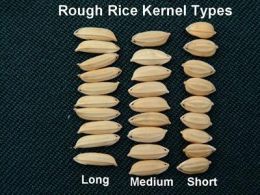
There are literally tens of thousands of different varieties of rice in the world. However, rice can actually be broken down into just three different types if you want to keep things simple. There is long-grain, medium-grain and short-grain rice. As the classifications suggest, the three different types of rice grains are categorized based upon their length as compared to their width. A skinny, long type of rice grain would be a long-grain whereas a round-ish grain that’s about as wide as it is long would be a short-grain.
Long vs. Medium vs. Short Grain Rice

Long-Grain Rice Long-grain rice is easy to identify because it is the narrowest or skinniest of the different types of rice that you might come across. If a piece of rice is at least four times in length what it is in width then it is considered to be a long grain. Long-grain rice is usually the fluffiest type of rice. For that reason it is considered the best type of rice to serve with sauces; it holds the sauce well but it also tastes good plain. A popular example of long-grain rice is Basmati. It is long grain rice with a beautiful fragrance. Traditionally it was grown in India, but now famous around the world. On the other hand, Jasmine is an excellent long-grain fragrant white rice. It has a slight jasmine aroma after cooking and are slightly stickier than Basmati. It is grown in Thailand and used throughout Southeast Asia.

Short-Grain Rice. Whereas long-grain rice is skinny and tall, short-grain rice is short and fat. It often looks round in shape because the width is so close in size to the length with this grain. Short-grain rice generally has a higher level of starch content than the other grains do making it a type of rice that tends to be sticky. For that reason it’s especially popular for rice pudding although it can be eaten alone or in other rice dishes as well. A popular example of short-grain rice is Arborio. Arborio is a short-grain rice that takes its name from the town of Arborio in the Po Valley of Northern Italy where it was originally grown. It is high in starch content and thus has a starchy taste of its own.

Medium-Grain Rice. Once you get a good idea of what constitutes long-grain rice and what would be considered short-grain rice, you’ll also be able to identify medium-grain rice. It’s the type of rice that falls somewhere in between the two other grains. For example, a rice grain that is about three times as long as it is wide would be a medium-grain rice. Medium-grain rice is terrific in rice-based dishes such as paella and risotto.

OK. So now you’re going to ask, “But what about brown rice?” Hmmmm.

Brown Rice. Brown Rice is not a separate variety of rice, but any rice, short-grain or long-grain, which is not polished or part is called brown rice. They are more nutritious than the white rice and are of two kinds:
Fully Unpolished – When the entire layer of bran is not removed.
Partially Unpolished – When bran is only partially removed.
Although it takes longer to cook, the more nutritious rice is brown or hulled rice. The rice is milled to remove the hull, but keep the rice bran layer and the germ. It has more of a nutty flavor is chewy. It is more nutritious and has a lower glycemic index than white rice. The bran contains most of the minerals and vitamins. It is the bran that also gives it the darker color. Any type of rice can be milled as brown rice. It is more expensive because less people like to eat it, and it has a much shorter shelf life. (Kinds of Rice)


So with all of this information, sum it up in one or two sentences. “The Long and Short Of It. Although there’s an exact science to the measurement of rice grains, as a [home] cook you really only need to know the basics. A long skinny type of rice grain will be less sticky and a bit firmer than a short, fat rice grain.” Now, go and try each of the types of rice. The web is full of information and recipes for using rice. There’s more to it than steaming, add butter, eat. Enjoy!

Reblog:

  • Click to email a link to a friend (Opens in new window) Email
  • Click to share on Pinterest (Opens in new window) Pinterest
  • Click to share on Facebook (Opens in new window) Facebook
  • Click to print (Opens in new window) Print
  • More
  • Click to share on X (Opens in new window) X
  • Click to share on Instagram (Opens in new window) Instagram
Like Loading...

Salt Revisited

19 Saturday Mar 2011

Posted by Bob and Robin in Anthropology of Food, Salt

≈ Leave a comment


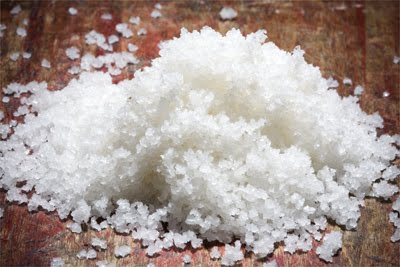
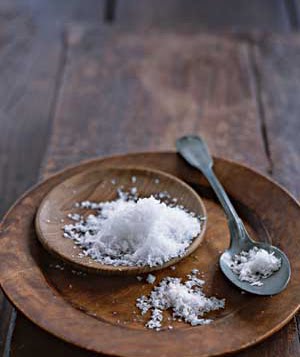
I was asked this week if I had any resources on the different kinds/types of salt. On this blog and on March 30, 2010, I did and article named Salt. If you click on the link, It will take you to the article. If you would like a resource book, look at Salt: A World History by Mark Kurlansky, 2002. ISBN: 0-8027-1373-4 (hc) or 0 14 20.0161 9 (pbk). Penguin Books. Here is some additional information on the different kinds of salt:
From Ask (dot) com :

Gray sea salt is the culinary salt which is harvested from evaporated sea water taken from the Atlantic Ocean along northern France’s Brittany Coast. Himalayan pink salt is the culinary salt which is mined from underground deposits of rock salt in Pakistan’s Himalayan mountains. Although interest in gray sea salt and Himalayan pink salt is relatively recent in American cuisine, both types of salt have long histories. Gray sea salt has been harvested in the Guérande region of France’s Brittany Coast since the ninth century. Himalayan pink salt has been mined from Pakistan’s Khewra salt mines in the Himalayan mountains since as early as the 13th century.
Identification
Gray sea salt is also known as “Celtic sea salt,” “Brittany sea salt” and “sel gris,” the French phrase for “gray salt.” Gray sea salt gets its distinctive color–ranging from light gray to slightly purplish gray–from the clay salt flats in the Guérande region of Brittany from which it is harvested. Himalayan pink salt is also known as “Pakistani pink salt,” or simply “Himalayan salt.” Himalayan pink salt gets its distinctive color–ranging from pale pink to deep red–from varying amounts of iron oxide in the rock salt deposits.
Function
Both gray sea salt and Himalayan pink salt are culinary salts used as flavor enhancers. Because it is mined from rock salt, Himalayan pink salt can also be cut into flat slabs and used as cookware, serving platters or simply decoration.
Features
Both gray sea salt and Himalayan pink salt are available in a variety of grinds, ranging from extra coarse to fine. Himalayan pink salt is also available in slabs and blocks. Gray sea salt has a loose, clumpy texture due to a relatively high moisture content. Both types of salt are sold in their natural, unrefined states and retain trace amounts of other minerals that not only contribute to their signature colors but also impart subtle flavors to food.

And then from EZine Articles we find this information:

Beyond Table Salt — A Guide To Different Types Of Salt

By Anne Clarke
It seems that there are so many different types of salts these days to choose from. You might have thought that salt is just salt, but nothing could be further from the truth! Here is a basic guide to the different types of salt.


Table Salt and Iodized Table Salt
This is the type of salt that most of us use at home and the type that we find on most restaurant tables. Our basic table salt is made by sending water into salt deposits then evaporating it – only the salt crystals will remain. The salt goes through a refining process that removes the other minerals from it. Table salt has a fine grain texture which makes it ideal for baking – it can accurately be measured. Iodine is not naturally in table salt – Morton Salt Company started adding it back in 1924 to decrease the chance of goiters. The majority of table salt is iodized in the United States these days, and, indeed, the occurrence of goiters has gone down greatly!
Kosher Salt
Kosher salt is made in a similar fashion to table salt – the difference is that kosher salt is raked during the evaporation process. This type of coarse salt is generally evaporated from brine. This creates grains with a block-structure, this structure better allows the salt crystals to absorb blood (Jewish law states that you must extract blood from meat before you consume it). Kosher salt is less salty than table salt.
Sea Salt
Sea salt is harvested by evaporation, also. Sea salt is not quite as salty as table salt is. You can find both fine grain and coarse grain sea salt. Many sea salts include trace minerals like potassium, magnesium, and iodine – these minerals are naturally present, not added.

Fleur De Sel
This is a type of sea salt – to harvest fleur de sel, you must take the early crystals that start to form across the surface of salt evaporation ponds – this is generally done during the summer months, the time when the sun is strongest. Fleur de sels have a higher mineral content than basic table salt. Fleur de sels can smell like the ocean, and it tends to be grayish in color. Other types of sea salts include sel gris, esprit du sel, and pink, black, and brown sea salts from India.
Rock Salt
As its name implies, rock salt is not fine-grained. In fact, rock salt is unrefined and therefore has a grayish hue. It is sold in large crystals. This is what people use to make ice cream in traditional hand-cranked ice cream makers.

From E-How we find:

Sea Salt. Another type of salt that is popular is sea salt. Sea salt is sea water that has been evaporated, resulting in pure salt from the saltwater. Sea salt can be found in both fine and course types. Since it comes from different waters and contains different minerals, the colors will be different from one sea salt to another.
Hawaiian Sea Salt and French Gray Sea Salts are both colored slightly. These salts are great for garnishing as well as flavoring a dish. The coloring comes from what is in the sea water as it evaporates or what is added. The Hawaiian sea salt has its color from the Hawaiian red clays from the island and the French grey salt’s color comes from the minerals inside the salt.

And finally from Real Simple:

6 Types of Salt and How to Use Them

Kosher Salt
Use it for: All cooking. Kosher salt dissolves fast, and its flavor disperses quickly, so chefs recommend tossing it on everything from pork roast to popcorn.
Crystalline Sea Salt
Use it for: Adding a pungent burst of flavor to just-cooked foods. These crystals will complement anything from a fresh salad to a salmon fillet.
Flaked Sea Salt
Use it for: Bringing a complex flavor to steamed vegetables or shellfish. Take a pinch, crush the crystals between your fingertips, and let them fall on freshly cooked food. This salt will add a hint of briny flavor.
Fleur de Sel
Use it for: A special-occasion table salt. Spoon it into a salt cellar to be pinched, then sprinkled over food just before eating. Delicately flavored, it adds a perfect hint of saltiness to freshly sliced tomato or melon.
Rock Salt
Use it for: Making ice cream and deicing. Rock salt is paired with ice in old-fashioned hand-cranked ice cream makers to regulate the temperature. You can also use it to deice your sidewalks and driveway in the winter months.
Pickling Salt
Use it for: Brining pickles and sauerkraut. It will also brine a turkey, but beware: Pickling salt is far more concentrated than the more commonly used kosher salt, so you’ll need to use less.

I hope this helps. But remember that there are many different kinds of salt, even a pink salt from Pakistan. They all have a slightly different taste due to the minerals that are attached to the salt crystals. But remember: Watch your salt intake. We tend to eat far more salt than is needed and thus high blood pressure and other potentially life threatening ailments. Taste your food first, THEN add salt if necessary. The salt intake of most people is 3000mg per day. It is recommended that your daily intake of salt should not exceed 1500mg per day. Keep this in mind. Cheers!

Reblog:

  • Click to email a link to a friend (Opens in new window) Email
  • Click to share on Pinterest (Opens in new window) Pinterest
  • Click to share on Facebook (Opens in new window) Facebook
  • Click to print (Opens in new window) Print
  • More
  • Click to share on X (Opens in new window) X
  • Click to share on Instagram (Opens in new window) Instagram
Like Loading...

St Patrick’s Day Dinner and Party

17 Thursday Mar 2011

Posted by Bob and Robin in Anthropology of Food, Party Time, Photos, Photos By: Bob Young, Recipe: Bob and Robin Young, Recipes, Special Events, What's For Dinner?

≈ 2 Comments


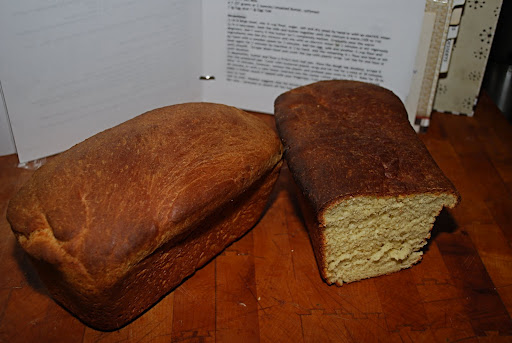
Last year, we were invited by friends Gail and Bob Parker to join them and their family at a St Patrick’s Day Dinner. All the trimmings – Corned Beef, Cabbage, Potatoes and a host of other things to eat and drink. We were asked to bring Irish Soda Bread. Evidently, it was OK, because this year, we have been invited to join them again. So here, again, is our offering.

Irish Soda Bread getting very happy in the oven. (It is 2:48pm MDT and this just came out of the oven. YUM-O!)

And this year, we are also bringing a wonderful slightly sweet Sally Lunn Bread from the Smitten Kitchen site – there is a hot link in the side bar to the site. And to quote the Smitten Kitchen, “… It tastes like a light brioche but involves less butter, fewer eggs and significantly less of a time commitment.
Like any food story worth tucking into, the story of Sally Lunn Bread comes with drama over its origins — Was it originally made by Protestant refugees, who called them “soleil et lune” or sun and moon cakes? Was it named for Solange Luyon, a pastry cook in Bath, England who for decades sold these buns on the street? Was knowing how to bake it truly essential to being a successful housekeeper, as this 1884 book, suggests?”

——————————

So there you have the starter of what will be a great evening with friends. We will tip one for you also! See you later with “… The rest of the story!” Cheers!

Reblog:

  • Click to email a link to a friend (Opens in new window) Email
  • Click to share on Pinterest (Opens in new window) Pinterest
  • Click to share on Facebook (Opens in new window) Facebook
  • Click to print (Opens in new window) Print
  • More
  • Click to share on X (Opens in new window) X
  • Click to share on Instagram (Opens in new window) Instagram
Like Loading...

It’s Time For Fasnachts!

05 Saturday Mar 2011

Posted by Bob and Robin in Anthropology of Food, Fasnacht Day, Special Events, Special Information

≈ Leave a comment


So the day is quickly coming! Shrove Tuesday! 8 March! Fasnacht Day! So what is a fasnacht? Here is a recipe for Fasnachts Berliner. (03/07/11 – Sorry! I had to change the recipe.) Treat yourself and your family and your friends to a delightful, Off The Diet, delicious Pennsylvania Dutch (German) doughnut. The photo on the left is the way I remember them – covered in powdered sugar. And here is some information on fasnachts, gleened from http://unasked.com/question/view/id/15912:

“Fasnachts, Fastnachts or Faschnachts are a fatty doughnut treat served traditionally on Fastnacht Day, the day before Lent starts. Fasnachts were produced as a way to empty the pantry of lard, sugar, fat and butter, which were forbidden during Lent. Some English-speaking Protestants tend to refer to the day as Shrove Tuesday, and many consume pancakes as an alternative.

The German word Fasnacht literally translates as “chamfering night”. Authentic fasnachts are typically cut into squares or rectangles, producing a chamfered edge, as opposed to doughnuts which are round with holes in the center.

Basel, Switzerland conducts a fasnacht festival annually. The Pennsylvania Dutch territory surrounding Lancaster, Pennsylvania celebrates the custom, although it is largely unheard-of in Philadelphia, which is commuting distance away. Most chain supermarkets offer fasnachts, although WalMart offers Pączki instead. The pączki is traditionally eaten in Poland on the Thursday prior to Fasnacht Day, although in Polish communities of the US, the celebration is more commonly on Fasnacht Day. Commonly pączki are round, rather than having straight sides, and they are filled with jelly, or sometimes creme filling.

The term now is synonymous with the Carnival season in southern Germany, Switzerland, Alsass and Austria. Although usually written “Fastnacht”, there are many local spoken varieties: Fasnacht, Fassenacht, Fasnet etc.

Many churches in Pennsylvania feature Fastnacht sales as a fundraiser. The Holy Trinity Catholic Church in Columbia made 84,000 fasnacht in 2008 at $4.50/dozen, and was turning away potential customers; St. Cecilia Church in Lebanon earned $24,000 in 2006 by turning 3 tons of sugar, 720 pounds of margarine, 1,000 gallons of milk and more than 1,000 eggs into fasnachts.”

If you are really interested, you can find more information on the The Best American Poetry Blog, of all things. So there you go! Try these as they are a real treat. Labor intensive, but worth all of the time.

Reblog:

  • Click to email a link to a friend (Opens in new window) Email
  • Click to share on Pinterest (Opens in new window) Pinterest
  • Click to share on Facebook (Opens in new window) Facebook
  • Click to print (Opens in new window) Print
  • More
  • Click to share on X (Opens in new window) X
  • Click to share on Instagram (Opens in new window) Instagram
Like Loading...

Piña Colada Cake

03 Thursday Mar 2011

Posted by Bob and Robin in Anthropology of Food, Dessert, Recipe: Bob and Robin Young, What's For Dinner?

≈ Leave a comment


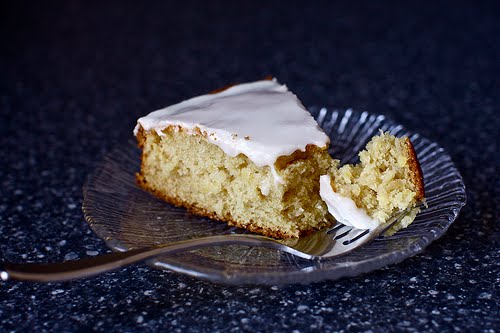
So you say that you want a piece of cake that is sweet, fruity and somewhat rummy? Oh, my! Then give this one a try. Robin found it on the Smitten Kitchen website and it is awesome. One ingredient may take some time to find: Coconut Cream. I found it in our local Albertson’s Market (actually the original Albertson’s!) at the end of the wine isle. The cake is a Piña Colada Cake and it is delightfully sinful! Enjoy this. We did.

Reblog:

  • Click to email a link to a friend (Opens in new window) Email
  • Click to share on Pinterest (Opens in new window) Pinterest
  • Click to share on Facebook (Opens in new window) Facebook
  • Click to print (Opens in new window) Print
  • More
  • Click to share on X (Opens in new window) X
  • Click to share on Instagram (Opens in new window) Instagram
Like Loading...

St David’s Day

01 Tuesday Mar 2011

Posted by Bob and Robin in Anthropology of Food, Ethnic Foods, What's For Dinner?

≈ 1 Comment


I really do receive many cooking/food blog articles. Here is one from About.com: British and Irish Food.

From Elaine Lemm, your Guide to British and Irish Food
Wishing everyone a very happy St David’s Day today. It is the celebration of all things welsh on this their patron saints day.

St David’s is just the start of a season of celebrations coming up, next week is not only Pancake Day it is also National Pie Week followed a week later with one of the busiest saint’s day, St Patrick’s. Loads of great food and recipes coming up then, what fun.

Shrove Tuesday, also known as Pancake Day in Britain , is the day before Ash Wednesday and the start of Lent. Apart from eating pancakes, throughout England there are Pancake Day Races which are always great fun to to watch. The typical English pancake is thin and light and not dissimilar to a French crepe and usually eaten with sugar and lemon, or Golden Syrup.

And let’s not forget Shrove Tuesday when we make Fasnachts. Most IHOP’s here in Boise are offering a free short stack of pancakes today! I think we’ll go again this year. It helps to support the St Luke’s Hospital Children’s Fund.

Welsh Breakfast Treats – Crempog
A stack of delicious Crempog, Welsh Pancakes, are better started the night before making them quick to finish before breakfast. Crempog is not dissimilar to American Pancakes and can be served the same way with some crispy bacon and a drizzle of maple syrup or simply with butter and maybe a drzzle of Golden Syrup. Yum.

Welsh pancakes – Crempog – are different to the traditional British ‘crepe’ normally eaten on Pancake Day. The pancakes are thicker and slightly risen and cooked on a griddle.
They are quick and easy to make and make a delicious tea time treat or eaten for breakfast.

Welsh Pancakes, Crempog – Welsh Pancake Recipe

By Elaine Lemm, About.com Guide
Prep Time: 15 minutes
Cook Time: 5 minutes
Total Time: 20 minutes
Ingredients:
•2 oz/ 55g butter
•15 fl oz/ 450 ml warm buttermilk
•10 oz/ 275g all purpose/plain flour
•3 oz/ 75g sugar
•1 tsp bicarbonate of soda
•½ tsp salt
•1 tbsp vinegar
•2 eggs, well beaten


Preparation:
•Stir the butter into the warmed buttermilk until melted. Gradually pour the milk and butter into the the flour and beat well. Leave the mixture to stand (for a few hours if possible)for at least 30 minutes.
•Stir the sugar, bicarbonate of soda, salt and vinegar into the beaten eggs. Pour this mixture into the flour and milk mixture and beat well to form a smooth batter.
•Heavily grease a griddle or hot-stone and heat. Drop the batter, a tablespoon at a time onto the heated griddle and bake over a moderate heat until golden brown on both sides, then keep warm. Continue until all the batter is used up.
Spread butter on each pancake and eat while warm.


Based on a recipe by Gilli Davies from her book Celtic Cuisine.

A Kiss and a Coddle – Dublin Coddle Recipe
On a day when the British government is telling us to eat less meat I am skipping over the water to Ireland and to a meaty dish of Coddle. Dublin Coddle as it is more commonly called is a traditional Irish dish usually associated with Dublin. It is comfort food of the highest degree; a hearty nutritious stew-like dish made from either thick slices or chunks of salty bacon, pork sausages and potatoes … Coddle is a traditional Irish dish usually associated with Dublin and known also as Dublin Coddle. It is comfort food of the highest degree; a hearty nutritious stew-like dish made from salty bacon, pork sausages and potatoes.
The name comes from the long, slow simmering or ‘coddling’ of the dish. It has been suggested the popularity of coddle arose because it can be left simmering on the stove till the man comes in from the pub long after the wife had gone to bed
There are as many recipes for Dublin Coddle as there are bars in the city, and everyone’s mother has their own version which of course, is always the best.

A Kiss and a Coddle – Dublin Coddle Recipe

By Elaine Lemm, About.com Guide
Prep Time: 10 minutes
Cook Time: 1 hour, 30 minutes
Total Time: 1 hour, 40 minutes
Yield: Serves 4 as a starter, 2 mains.

Ingredients:
•2 tbsp vegetable oil
•2 medium onions, thinly sliced
•4 oz/115g piece salty back bacon, weight after the rind removed
•6 fat, traditional pork sausages
•2 carrots, peeled and finely sliced
•8 oz/250g white potatoes, finely sliced
•Salt and pepper
•2 cups/500 ml rich beef st

Preparation:
Heat the oven to 425°F/220 °C/ gas 7
•In a large frying pan or skillet, heat the oil, add the onions and cook on a medium heat for abut 4 minutes. Cut the bacon piece into ½”/1 cm cubes. Add the bacon to the onions and stir well. Cut the sausages in half and add these to the onion and bacon.
•Raise the heat and stirring constantly, cook until the sausages start to brown taking care not to burn the onions.
•In a heat proof casserole, place a layer of the onion, bacon and sausage mixture followed by the layer of sliced carrots and the a layer of potato. Season with salt and pepper. Repeat the layering until used up, finishing with a layer of potato.
•Carefully pour over the stock. Cover with a lid or a double layer of aluminum foil. Place in the centre of the oven and cook for 45 minutes. Take a peek to make sure the coddle isn’t drying out (if necessary top up with a little boiling water but don’t flood the stew). Lower the heat to 350°F/175°C/gas 4 and cook for a further 30 minutes until bubbling and the potatoes are cooked through.
•Remove from the oven and rest for 10 minutes before serving. Serve with Irish Soda Bread to soak up all the lovely juices.

——————————

I hope you have enjoyed this article and the recipes. Cheers!

Reblog:

  • Click to email a link to a friend (Opens in new window) Email
  • Click to share on Pinterest (Opens in new window) Pinterest
  • Click to share on Facebook (Opens in new window) Facebook
  • Click to print (Opens in new window) Print
  • More
  • Click to share on X (Opens in new window) X
  • Click to share on Instagram (Opens in new window) Instagram
Like Loading...

Energy Boosting Stuffed Bell Peppers

23 Sunday Jan 2011

Posted by Bob and Robin in Anthropology of Food, Photos, Photos By: Bob Young, What's For Dinner?

≈ 3 Comments


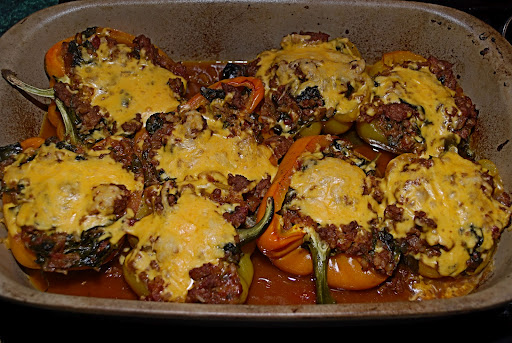
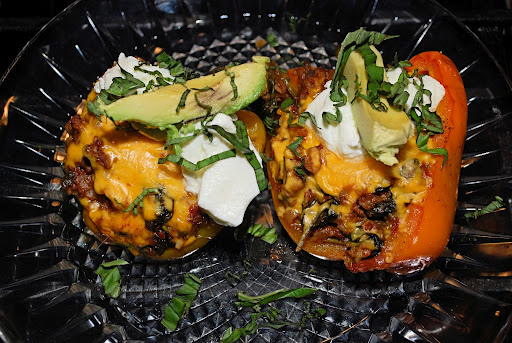
A couple of days ago, we were watching the Dr. Oz show on the local NBC station. (Robin used to babysit him!) He was showing this delicious recipe for Energy Boosting Stuffed Bell Peppers. I do love stuffed peppers. Robin can not eat them. She especially dislikes the green bell peppers. (They are not ripe, yet. They turn red or orange or yellow when ripe.)

The upper photo shows the peppers coming out of the oven. The photo to the immediate left shows the plated peppers. I think that when I make these again, I will use maybe 3/4 Teaspoon of the Chili Powder and maybe 1 1/2 Teaspoon of Cumin. But, if you like stuffed peppers, try this recipe. It is really that good. There is a link to the recipe above. Here it is listed for you to look at.

The Kitchen Diva’s Energy-Boosting Stuffed Bell Peppers


Yield: 8 servings, 2 stuffed pepper halves per serving

Ingredients:
8 red, yellow, or orange bell peppers or a mixture of all (about 4 lbs)
2 tbsp canola or olive oil, divided
1 medium-sized yellow onion, chopped
4 garlic cloves, peeled and minced
1 tsp salt
1 tsp ground black pepper
1 tbsp chili powder
1 tbsp ground cumin
16 oz fresh Italian turkey sausage, removed from casing or lean ground turkey (You can use pre-cooked turkey or slices of deli turkey cut into small pieces and use it in place of the turkey sausage, if desired.)
1 (16 oz) jar chunky salsa, mild or hot
2 cups fresh baby spinach, rinsed and chopped or 1 (10 oz) package chopped spinach, thawed and squeezed to remove moisture
1 cup cooked quinoa (optional)
1 cup cooked brown rice
1 cup low-fat cheddar cheese


Topping:
2 large avocados, peeled and pit removed, sliced
1/2 cup low-fat Greek yogurt
1/4 cup finely chopped fresh basil leaves


Directions:
Preheat oven to 375°F.
Cut the peppers in half lengthwise, slicing from the stem to the bottoms, leaving the stems intact. Remove the white pithy ribs near stem and down length of inside. Remove the ribs and seeds and discard. Place the peppers in a shallow 13 x 9 inch baking dish. Drizzle the peppers with 1 tablespoon of the oil. Cover the dish with foil, and bake the peppers 15 to 20 minutes, until they start to soften.


Meanwhile, heat the remaining 1 tablespoon of the oil in a large skillet over medium-high heat. Add the onion, garlic, salt, black pepper, chili powder, and cumin; cook until the vegetables are softened, about 3 minutes. Add the sausage to the skillet. Cook, breaking it up with a slotted spoon or potato masher, until lightly browned, about 5 minutes. Add the salsa and the spinach, and cook, stirring occasionally, about 5 minutes. Remove the skillet from the heat and stir in the cooked brown rice and quinoa (optional).


Carefully fill the pepper halves with the turkey mixture. Cover the dish with foil, and bake until the filling is hot and the peppers are tender, 20 to 25 minutes. Remove foil, and sprinkle the cheese over the top of the peppers. Return to oven; bake, uncovered, until cheese has melted, about 7 to 10 minutes. Top the peppers with a heaping tablespoon of the yogurt. Place slices of the avocado on top of each pepper. Sprinkle with the basil. Serve immediately.

——————————
The second photo shows the plated peppers and the toppings and the original recipe is linked above. We hope you try and like these. A slight change from the standard hamburger and ketchup mixture. Cheers!

Reblog:

  • Click to email a link to a friend (Opens in new window) Email
  • Click to share on Pinterest (Opens in new window) Pinterest
  • Click to share on Facebook (Opens in new window) Facebook
  • Click to print (Opens in new window) Print
  • More
  • Click to share on X (Opens in new window) X
  • Click to share on Instagram (Opens in new window) Instagram
Like Loading...

Mandlebrot Cookies

12 Wednesday Jan 2011

Posted by Bob and Robin in Anthropology of Food, Cakes, Side Dishes, Special Information

≈ Leave a comment


Here is really different food blog, Shiksa In The Kitchen. There is an ethnology that goes with the blog and the blog writer. She divulges personal connections with food in an interesting style. Be sure to read it. And from that blog we get this Mandlebrot Cookie Recipe. So, you ask, what are Mandlebrot Cookies?
From the blog, “Mandelbrot cookies are an Ashkenazi Jewish dessert dating back to the early nineteenth century. Mandelbrot are closely related to the Italian cookies known as biscotti, which were first made in the Middle Ages. The word mandelbrot means almond (mandel) and bread (brot) in both German and Yiddish. In America, these tasty little cookies are known as mandel bread. Typically mandel bread are twice-baked, which makes them crispy and crunchy. They’re perfect for dipping in your tea or coffee. Because most of the moisture is baked out of them, they also have a fairly long shelf life.

The origin of Jewish mandelbrot is a bit of a mystery, though there are many theories on how and when the cookie was adopted by Ashkenazi Jewish cooks. In the wonderful book Jewish Cooking in America, Joan Nathan writes about the history of mandelbrot cookies and their similarity to other cookies made in Europe and Eastern Europe: “With a large Jewish population in Piedmont, Italy may have been the place where Jews first tasted biscotti and later brought them to Europe where they called them mandelbrot, which literally means almond bread. In the Ukraine, a similar cookie not necessarily with almonds but made at home, thuskamish, was served. In Italy they are often eaten as a dessert dipped into wine or grappa. In Eastern Europe Jews dipped them into a glass of tea, and because they include no butter and are easily kept they became a good Sabbath dessert.” (The Shiksa In The Kitchen blog)

If all of this sounds intriguing, then follow the link above to the recipe and some more information on the treats. Give it a try. It sounds good!

Reblog:

  • Click to email a link to a friend (Opens in new window) Email
  • Click to share on Pinterest (Opens in new window) Pinterest
  • Click to share on Facebook (Opens in new window) Facebook
  • Click to print (Opens in new window) Print
  • More
  • Click to share on X (Opens in new window) X
  • Click to share on Instagram (Opens in new window) Instagram
Like Loading...

Fagiolini alla Panna

30 Thursday Dec 2010

Posted by Bob and Robin in Anthropology of Food, Italian Food, What's For Dinner?

≈ 2 Comments


On one of the blogs I read, Memorie di Angelina, I received this recipe. Very timely. Robin has a pot of green beans on the stove. This really looks good. And for those who need a translation, Fagiolini alla Panna translates as Green Beans In Cream Sauce, I think. Anyway, here is the copied recipe and the Original Recipe.

Fagiolini alla Panna

Source: http://memoriediangelina.blogspot.com/
Servings: 6
Notes: When most people (myself included) think of Italian style green beans, fagiolini in umido (green beans in tomato sauce) is likely to come to mind or perhaps fagiolini all’agro, a simple green bean salad. Here is a less well known but perfectly delicious dish from Lombardia that I recent came across while perusing a little cookbook called La cucina lombarda by Alessandro Molinari Pradelli: green beans simmered in cream. I can almost guarantee that once you try this, it will become a regular part of your repertoire!

Ingredients:
1 kg (2 lbs.) green beans
A shallot, fine chopped
50g (3 Tbs) butter (or more if you’re feeling indulgent)
2 dl (3/4 cup) cream (or as much as you need)
Nutmeg
Salt and pepper
A handful of parsley, finely chopped

Directions:
Trim off the ends of your green beans, then plunge them into a big pot of well-salted boiling water. Cook them until they are quite al dente, remembering that they will cook some more later. This should take no more than 5 minutes or so, depending on the size and quality of the beans.

While the green beans are boiling away, gently sweat your chopped shallot in the butter in an ample skillet or sauté pan until soft but not browned.

Transfer the green beans from the boiling water right into the skillet and mix them well with the butter and shallot soffritto. [NB: If you like, you can ‘refresh’ the green beans in cold water before adding them to the skillet, which will help them retain their color, but being a bit lazy I often skip this step.] Raise the flame just a bit and let the green beans braise for a few minutes, stirring frequently, so they can absorb the flavors of the soffritto.

Now add your cream, enough to just about cover the beans. Season with salt, pepper and nice scrape of nutmeg. Raise the flame a bit more so that the cream bubbles fairly vigorously. Continue stirring from time to time, and simmer until the cream has thickened into a saucy consistency. Taste and adjust for seasoning if need be.

Mix in the chopped parsley and serve immediately.

NOTES: The great thing about this dish, as for any braised vegetable dish, is that you can use green beans that may have been around for a while without much trouble. That is, in fact, what I did this time and I can tell you the results were more than satisfactory.

This makes for a fine contorno for grilled meats, in particular. I would not serve it, on the other hand, with a braised meat dish. And I actually had it as a vegetarian lunch one day, with a nice chunk of crusty bread.

Reblog:

  • Click to email a link to a friend (Opens in new window) Email
  • Click to share on Pinterest (Opens in new window) Pinterest
  • Click to share on Facebook (Opens in new window) Facebook
  • Click to print (Opens in new window) Print
  • More
  • Click to share on X (Opens in new window) X
  • Click to share on Instagram (Opens in new window) Instagram
Like Loading...

Seasons Greetings!

22 Wednesday Dec 2010

Posted by Bob and Robin in Anthropology of Food, Food Trivia, Photos By: Bob Young, Special Events

≈ Leave a comment


Robin and I take this opportunity to wish all of our readers of the blog

Happy Holidays

and

Seasons Greetings

And with that in mind, I thought it appropriate to add these articles to this page. Cheers and have a great season!

I received this information from Rudy’s – a cook’s paradise in Twin Falls, Idaho.

December 25: Merry Christmas!

Some interesting, not to mention downright gaudy meals that royal-types past have eaten on Christmas Day:

1213 King John of England ordered 3,000 capons, 1,000 salted eels, 400 hogs, 100 pounds of almonds and 24 casks of wine for his Christmas feasts.

1252 Henry III hosts 1,000 knights and nobles at York. 600 oxen are consumed.

1415 England’s Henry V orders food distributed to the citizens of Rouen who are trapped by his siege. Henry himself dines on roast porpoise.

1512 The Duke of Northumberland was served 5 swans for Christmas dinner.

1580 The Christmas feasts of Sir William Petrie includes 17 oxen, 14 steers, 29 calves, 5 hogs, 13 bucks, 54 lambs, 129 sheep and one ton of cheese.

1714 England’s King George I has his first Christmas pudding, made with 5 pounds of suet and 1 pound of plums.

1852 A 446 pound baron of beef was served to Queen Victoria and the royal family.

1805…and then we have American explorer Zebulon Pike. Pike celebrated Christmas by allowing “two pounds extra of meat, two pounds extra of flour, one gill of whiskey, and some tobacco, to each man, in order to distinguish Christmas Day.”

Here’s to hoping your Christmas meal is exactly what you want it to be.

December 26: Kwanzaa begins (December 26th- January 1)

December 27: National Fruitcake Day. (Either beloved or despised… still a reason to celebrate!)

——————————
Recipe of the Week:

Coffee Fruit Cake

Gourmet Magazine, October 2005

3 1/2 cups plus 2 tablespoons all-purpose flour
2 teaspoons cinnamon
1 teaspoon salt
1 teaspoon ground cloves
1 teaspoon freshly grated nutmeg
1 lb dried currants (3 1/3 cups)
1 lb raisins (3 cups)
1 cup lukewarm strong coffee
1 teaspoon baking soda
2 sticks (1 cup) unsalted butter, softened
2 cups packed light brown sugar

4 large eggs
1 cup molasses (not robust or blackstrap)

Special equipment: 2 (9- by 5- by 3-inch) loaf pans

Put oven rack in middle position and preheat oven to 250°F. Brush loaf pans lightly with oil, then line bottom and sides with foil, pressing corners to help adhere.

Sift together flour, cinnamon, salt, cloves, and nutmeg into a large bowl.

Toss currants and raisins with 2 tablespoons flour mixture in a bowl. Stir together coffee and baking soda in a small bowl until dissolved.

Beat together with butter and sugar in a large bowl with an electric mixer at medium-high speed until light and fluffy, 5 to 7 minutes. Add eggs, 2 at a time, beating well after each addition, and beat in molasses. Reduce speed to low, then add flour mixture and coffee mixture alternately in batches, beginning and ending with flour mixture and mixing until just smooth. Fold in dried fruit mixture.

Divide batter between loaf pans and smooth tops by gently rapping bottom of each pan against counter.

Bake until a wooden pick or skewer inserted in center of each cake comes out clean, 2 3/4 to 3 1/4 hours (cakes may sink slightly in center). Cool pans on racks 10 minutes, then loosen foil from sides of pans with knife and turn out cakes onto racks. Peel off foil and cool cakes completely, about 3 hours.

——————————
Ode to Fruitcake

Fruitcake, fruitcake, oh where have you been all my life?
Handmade maiden friend of a famed critic’s wife.
Golden and cunning with nuts barely tropical,
Aged in the juice of southern Caribbean,
Tender assortment of fruits once dried, now revived.
I know at last why I am glad to be alive!

So do enjoy these article and the holidays! Cheers!

Reblog:

  • Click to email a link to a friend (Opens in new window) Email
  • Click to share on Pinterest (Opens in new window) Pinterest
  • Click to share on Facebook (Opens in new window) Facebook
  • Click to print (Opens in new window) Print
  • More
  • Click to share on X (Opens in new window) X
  • Click to share on Instagram (Opens in new window) Instagram
Like Loading...
← Older posts
Newer posts →

  • Bob and Robin's avatar Bob and Robin
  • rockinrobin43's avatar rockinrobin43

Meta

  • Create account
  • Log in
  • Entries feed
  • Comments feed
  • WordPress.com

Copyright Notice

Creative Commons License
This blog and all work herein is licensed under a Creative Commons Attribution-Noncommercial-No Derivative Works 3.0 United States License.

The Current Weather at the Captain’s Shack

Click the image to see the very latest and current weather at the Captain's Shack in Boise, Idaho

Enter your email address to follow this blog and receive notifications of new posts by email.

Join 183 other subscribers

Thanks to all of these readers and subscribersz of this blog!

  • 320,158 and 598,479 Folks Reached

Monthly Archives of this Blog

Translate This Page

Assoc of Food Bloggers

Association of Food Bloggers

BFM Drive-Thru

Boise Farmers Market Drive-Thru

Air Fryer Cooking Time and Temperature Conversion Calculator

To convert to the AirFryer

AirFryer Recipes

https://www.airfryerrecipes.com/

Air Fryer Conversions

Rule of 25%. Reduce oven/frying temperature by 25% and time by 25%.

Fork To Spoon – Air Fryer and Instant Pot Recipes

Great resource for AF and IP information and recipes.

AirBnB Buhl, Idaho

Welcome to Mary Anne’s place, a historic cottage in the heart of Kelley’s Canyon Orchard. Just 20 minutes from Twin Falls, unwind in this quiet retreat by enjoying the pleasant sound of a nearby creek and views that look out into the orchard. 4 guests · 2 bedrooms · 3 beds · 1 bath, Wifi · Free parking · Kitchen, Entire House! 1903 River Rd, Filer, Idaho 83328

Bloglovin’

RSS Links

RSS Feed RSS - Posts

RSS Feed RSS - Comments

-----------------------
I Know. Not Idaho Products, But still Worth A Try!
----------------------

Rockin’ Rs

----------------------
Items of Blog Interest.
-----------------------

Member of The Internet Defense League

The History Kitchen

Interesting historical information about food - prep, origins and uses. Written by a kitchen anthropologist!

-----------------------
Of Concern To This Blog
----------------------

Recent Posts

  • Trike Restaurant Finds Worthy of Posting
  • Food Via ETrike
  • An Awesome Chicken Dish
  • Sushi Shack
  • Awesome Oven BBQ Pork Ribs

-----------------------
Think Local!! Buy Local!!

Let them know you saw their logo on this blog. Thanks!
----------------------

Buy Local!

If you are not from Idaho, think about Buying Local in Your area! As for us, we have lived in Idaho since 1982. We Buy Idaho wherever possible.

Chef Jake Sandberg, Crispeats

Food References and Recipes

Buy Local

And it does ... Just Make Sense! Regardless of where you are from.

------------------------
Think Local!! Idaho Products.

Let them know you saw their logo on this blog. Thanks!
-----------------------

The New Boise Farmers Market

Summer and Winter - 1500 Shoreline Dr, Boise (Americana and Shoreline)

Idaho Farmers Markets

A listing of statewide Farmer's Markets with contacts.

Find Your Local Farmers Market

Click on the graphic to find your local farmers market either by city or zip code.

Acme Baked Shop, Boise

Available at the Boise COOP. Some of the best bread in Boise and all local!! They make the bread for the 10 Barrel Brew Pub, Angell's Bar and Grill, Salt Tears, all here in Boise. Awesome rye bread that actually tastes like rye bread. And the baguettes .... Wonderful. (208) 284-5588 or runsvold2000@gmail.com

Brown’s Buffalo Ranch

Give them a call or EMail for awesome buffalo meat.

Desert Mountain Grass Fed Beef (formerly Homestead Natural Beef)

Desert Mountain Grass Fed Beef, with Bob and Jessica Howard of Howard Ranch in Hammett. The company will only sell whole animals to the Boise Co-op and Whole Foods stores in Boise and Utah. They will also be at the Boise Farmers Market.

Falls Brand Pork roducts

Click the image for pork recipes.

Kelley’s Canyon Orchard

1903 River Rd, Filer, ID 83328 Hours: 10am - 6pm, Phone: (208) 543-5330

Malheur River Meats

Matthews Idaho Honey

Matthews All-Natural Meats

Meadowlark Farms

All natural Eggs, Lamb and Chicken

Purple Sage Farms

True Roots Farm

Available at the Boise Farmers Market and online at https://www.trueroots.farm

True Roots is a local produce farm committed to sustainable and chemical-free farming practices. We raise pesticide-free and non-GMO produce fresh from the farm, offering a diverse variety of farm-fresh services to our local community. Since our founding in 2014, our mission has been to provide farm-direct access to clean, reliable, and affordable produce.

Reel Foods Fish Market

1118 Vista Avenue, Boise, ID 83705 (208) 713-8850 Monday-Friday: 10am-6pm, Saturday: 9am-5pm. Sunday: Gone Fishin’

Standard Restaurant Supply

Plenty of items for the home, too. Check them out. 6910 Fairview, Boise 83704 (208) 333-9577

-----------------------
Some Awesome Recipe and Spice Sources. Culturally diverse.

Let them know you saw their logo on this blog. Thanks!
------------------------

Crockpot Recipes

Many good recipes here.

A Taste of France

A collection of French recipes

Basque Recipes

Best Ever Recipes of Mexico

Malaysian Recipes

Awesome Malaysian recipes.

Memorie di Angelina Italian Recipes

My Best German Recipes Web Site

Regional and Oktober Fest Recipes

There are a lot of recipes here.

Sauer Kraut Recipes

Recipes By Robin and Bob

Recipes that we have collected and created throughout the years.

Recipes of Elizabeth W. Young, Bob’s Mother

These are the recipes that my Mother collected over 85 or so years. The photo of my Mother was one of the last I have of her. It was taken in July, 1987.

Recipes From The Mediterranean Area

Soup and Chowder Recipes

Recipes from "My Recipes"

Deep South Dish Recipes

The Recipes of Greece

Tasty Mexican Recipes

The Shiksa In The Kitchen

Great Jewish recipes!

-----------------------
Some Great Boise Restaurants.

Let them know you saw their logo on this blog. Thanks!
-----------------------

Asiago’s – Italian

Bella Aquila, Eagle, ID

775 S Rivershore Ln., Eagle, ID 83616 (208) 938-1900

Bar Gernika – Basque Pub and Eatery

202 S Capitol Blvd, Boise (208) 344-2175 (Checked)

Cottonwood Grille

913 W River St., Boise (208) 333.9800 cg@cottonwoodgrille.com

Enrique’s Mexican Restaurant

482 Main St., Kuna (208) 922-5169 New name. Was El Gallo Giro. Same owners and kitchen. The Best Mexican restaurant in the Boise/Kuna area, bar none!

Flying Pie Pizzaria

Goldy’s Breakfast Bistro

108 S Capitol Blvd., Boise (208) 345-4100

Goldy’s Corner Cafe

625 W Main St., Boise (208) 433-3934

Guanabanas – Island Restaurant and Bar

960 N Highway A1A, Jupiter, FL

Janjou Pâtisserie

Janjou Pâtisserie, 1754 W State St., Boise, Idaho 83702 (208) 297.5853

Mai Thai Asian Cuisine

750 West Idaho Street Boise, ID 83702 (208) 344-8424

Mazzah Grill – Mediterranean and Greek Cuisine

1772 W State St., Boise (208) 333-2566

Richards Inn by Chef Richard Langston

Formerly - Vincino's. New location at 500 S Capitol Blvd., Boise (208) 472-1463. Reservations are highly suggested.

The Orchard House

14949 Sunnyslope Rd., Caldwell (208) 459-8200

The Ravenous Pig

1234 N. Orange Ave. Winter Park, FL

-----------------------
Think Local!! Boise Breweries, Brew Pubs and Wine Bars.
Let them know you saw their logo on this blog. Thanks!
-----------------------

10 Barrel Brewery Boise

830 W Bannock St., Boise (208) 344-5870

Cloud 9 Brewery and Pub

Opening Fall 2013 in the Albertson's Shopping Center, 18th and State in the old Maxi Java

Edge Brewing Company

525 N Steelhead Way, Boise, ID 83704 (208) 323-1116

-----------------------
Miscellaneous Items
-----------------------

Blog Syndication

NetworkedBlogs
Blog:
Boise Foodie Guild
Topics:
Food, Recipes, Cooking
 
Follow my blog

Blog Badge

Local & Regional Food Blogs - BlogCatalog Blog Directory

  • Subscribe Subscribed
    • Boise Foodie Guild
    • Join 72 other subscribers
    • Already have a WordPress.com account? Log in now.
    • Boise Foodie Guild
    • Subscribe Subscribed
    • Sign up
    • Log in
    • Report this content
    • View site in Reader
    • Manage subscriptions
    • Collapse this bar
%d