• About and Contact
  • Air Fryer Cooking Charts and Conversions
  • Air Fryer Recipes – Update: August 2020 – Chicken Olivia
  • Barcode Country List
  • Boise Foodie Blog Recipes – Updates: Nov 2024 Basic Hollandaise Sauce and Cream of Mushroom Soup
  • Boise Restaurant Guide – 52 Restaurant Choices! Updated: July 2018
  • Companion Garden Planting
  • Instant Pot Recipes – Update August 2020 – IP Chicken with Ketchup, Honey and Soy
  • Recipes from the Captain’s Shack: Dec 2020 – CS Prime Rib

Boise Foodie Guild

~ – Enjoy a meal or a recipe with us! Be sure to check the Sidebar and Menu above. Interesting resources are listed there. Most are hot links. Air Fryer (AF), Instant Pot (IP) and Captain's Shack (CS) recipes now have their own page. Subscribe to the blog. It's still FREE!

Boise Foodie Guild

Monthly Archives: March 2011

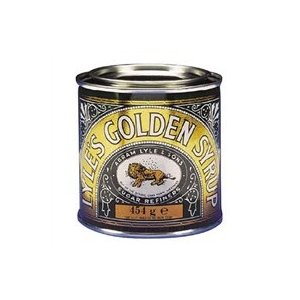
Lyle’s Golden Syrup

29 Tuesday Mar 2011

Posted by Bob and Robin in Hard To Find Foods, Interesting Information

≈ 3 Comments


I had a question posed to me by one of the readers of this blog. “I’ve just discovered your blog. Obviously, I don’t get much time to cook, let alone read about it. Anyway, I found you as I was trying to find a place in Boise where I can buy Golden Syrup. I found a recipe for butterscotch pie that I would like to try. The recipe says the “key” is the golden syrup. So I hope someone knows where I can get it in the valley. I’m looking forward to reading more in your blog. McCall”


Here is what I have found from O Chef.

Golden syrup, long popular in Britain, is becoming more broadly available in this country. Lyle’s Golden Syrup is the most common brand, and we have seen it in supermarkets in some pretty out-of-the-way places. It is also available in specialty stores and online.

Golden syrup, like molasses, is a product of the process of refining sugar. It is simply sugar cane juice that has been boiled down. It has the consistency of corn syrup, but a golden color and a taste different from either light or dark corn syrup, and also substantially different from its cousin, molasses. … if you must, you can try substituting it with 2 parts light corn syrup and 1 part molasses or equal parts of honey and light corn syrup.

And from Wikipedia,

Golden syrup was invented in 1883 by Scottish businessman Abram Lyle, when he discovered that a byproduct of the sugar cane refined at his factory in Plaistow, east London, could be made into a delicious spread and sweetener for cooking. First sold to Lyle’s employees and local customers in wooden casks, the iconic green and gold tins that Lyle’s golden syrup is sold in today were introduced in 1885. The tin bears a picture of the rotting carcass of a lion with a swarm of bees, and the slogan “Out of the strong came forth sweetness”. This is a reference to the Biblical story in chapter 14 of the Book of Judges in which Samson was travelling to the land of the Philistines in search of a wife. During the journey he killed a lion, and when he passed the same spot on his return he noticed that a swarm of bees had formed a comb of honey in the carcass. Samson later turned this into a riddle at a wedding: “Out of the eater came forth meat and out of the strong came forth sweetness”. While it is not known exactly why this image and slogan were chosen, Abram Lyle was a deeply religious man, and it has been suggested that they refer either to the strength of the Lyle company or the tins in which golden syrup is sold. In 1904 they were registered together as a trademark, and in 2006 Guinness World Records declared the mark to be Britain’s oldest brand. Lyle’s golden syrup was awarded a Royal Warrant in 1911.


In 1921 Lyle’s business merged with Tate, a sugar-refining firm founded by Sir Henry Tate in 1859, to become Tate and Lyle. Tate and Lyle is the only cane sugar refiner in the UK and is the largest in Europe. It currently sells a million tins of golden syrup each month. To celebrate the 125th anniversary of golden syrup in 2008, Tate and Lyle sold the product in limited-edition gold tins.


And if you still need some background, you can look at the source of the product, Tate and Lyle. But most of the information that I have found says that you can probably find it at some larger grocery chains, Albertson’s I would suggest or the Boise Coop. Let us know what you have found. If local sources don’t pan out (no pun intended) you can buy online. I have seen prices range for a 1 pound tin (454 grams) $8.00 to $12.50. Good luck and cheers!

Reblog:

  • Email a link to a friend (Opens in new window) Email
  • Share on Pinterest (Opens in new window) Pinterest
  • Share on Facebook (Opens in new window) Facebook
  • Print (Opens in new window) Print
  • More
  • Share on X (Opens in new window) X
  • Share on Instagram (Opens in new window) Instagram
Like Loading...

Chicken in Basil Cream

26 Saturday Mar 2011

Posted by Bob and Robin in Chicken, Recipes, What's For Dinner?

≈ Leave a comment


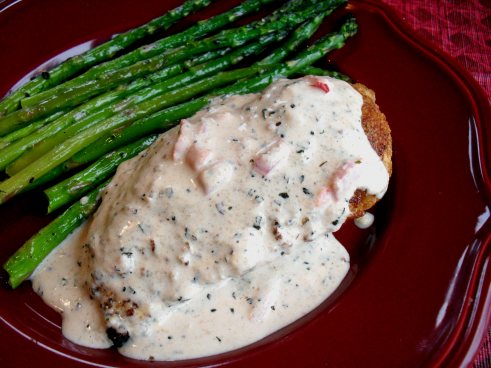
This recipe and the photo to the left is from
Recipe Rapsody, another one of my many recipe/cooking blogs that I subscribe to. The Lamb Shanks alla romano, previous post, may not appeal to some of you. But chicken? That appeals to almost everyone. And with a basil cream sauce and asparagus, Yum-O! The original recipe can be found at the link above. This just looked good and different. Let us know if you try it and what you thought of it. Cheers!

Chicken in Basil Cream

Recipe source: adapted from Fast and Easy by Suzanne Somers and Suzie S.
Makes 8 servings. Per serving: 544 calories; 41 g fat; 2.5 g carbohydrates; 0 g fiber; 36 g protein
Bake and Fry Mix
1 cup minced onion
1 teaspoons salt
¼ t Black pepper
¼ t ground Sage
½ t dried Rosemary
½ t dried Coriander
½ t dried Thyme
¼ t dried Oregano
¼ t Paprika
¼ t Red Pepper Flakes
1 Bay Leaf, crushed
½ c grated Parmesan cheese
Chicken and Sauce
8 (4 oz) boneless, skinless Chicken Breasts
1 stick (1/2 cup) unsalted Butter
1 c Chicken Broth
2 c Heavy Whipping Cream
1 (4 oz) jar sliced Pimentos, drained
1 c grated Parmesan cheese
2 T dried Basil
¼ t Pepper
Directions:
Place minced onion in food processor fitted with blade attachment. Process one minute. Add remaining mix ingredients, except the cheese, and process another minute. Add cheese and pulse until combined. Place in a gallon-sized Ziploc bag. Add chicken to the bag and shake until every piece is coated.

On medium-high heat, cook chicken in butter on both sides until juices run clear, about 10 minutes. Remove and keep warm. Add broth to the skillet. Bring to a boil over medium heat; stir to loosen browned bits. Stir in the cream, pimientos and basil; boil and stir for 1 minute. Reduce heat. Add the Parmesan cheese and pepper; cook and stir until heated through. Pour over the chicken and serve.

Reblog:

  • Email a link to a friend (Opens in new window) Email
  • Share on Pinterest (Opens in new window) Pinterest
  • Share on Facebook (Opens in new window) Facebook
  • Print (Opens in new window) Print
  • More
  • Share on X (Opens in new window) X
  • Share on Instagram (Opens in new window) Instagram
Like Loading...

Lamb Shanks alla romana

26 Saturday Mar 2011

Posted by Bob and Robin in Italian foods, Lamb, Recipe By: Bob Young, Recipes, What's For Dinner?

≈ Leave a comment


I have told you this before, but it bears to mention again. I subscribe to an Italian (among several ethnic food blogs) food blog called Memorie de Angelina. The photo on the left is from that blog, as is the recipe. I get some really great recipes from this site. Here is another one using lamb shanks and this sounds delicious! One might be able to replace the lamb with pork shanks, but I don’t know how that would be with the way these are prepared. If you have not looked at this blog, do so. It is a fantastic blog with many ideas , recipes and history. Try this recipe and let us know how you liked it or not. Cheers!

Lamb Shanks alla romana

Baby milk-fed lamb or abbacchio is one of the wonders of Roman cooking, in particular in the spring. Lamb that young is not often found in markets in our neck of the woods, but the same techniques work well with mature lamb as well. So the other day I took some lamb shanks I had in the freezer, braised them slowly until the meat was falling-off-the-bone tender, and finished them with flavorings typical of abbachio alla romana, Roman-Style Baby Lamb. The result was certainly different, but delicious all the same. I served the shanks with polenta, a combination perhaps more typical of America than Rome, but all the same it makes a fine combination for a piatto unico.
Source: Lamb Shanks alla romano

Ingredients (for 4 servings):
4 lamb shanks
olive oil (or lard)
Salt and pepper
White wine
For the finish:
1-2 cloves of garlic
2-3 anchovy fillets
A spoonful or two white wine vinegar, enough to form a paste

Directions:
Sauté the garlic and rosemary in olive oil (or lard) in a heavy casserole until the garlic has been ever so lightly browned and fragrant. Remove both the garlic and the rosemary from the pot.

Add the lamb shanks to the seasoned fat and brown them well on all sides. Season them generously with salt and pepper, turning all the while. Add a splash of white wine to the pot, turning the lamb shanks around once again to coat them well. Then cover the pot tightly and lower the heat. Let the lamb shanks simmer, covered, until very tender, about 2-1/2 hours or so. Moisten from time time, as needed, with a bit more wine or water.

About 20 minutes before the lamb is done, mash together the garlic and anchovy finely, then add a bit of the vinegar, enough to form a loose paste. Add this mixture to the lamb and mix well. Then finish simmering the lamb. Serve hot as a secondo. For a one-dish meal (but not in the usual Roman style but very nice all the same) accompany with some hot polenta.

Blog Author’s Notes: They say that meat is sweetest close to the bone, and lamb shanks are certainly evidence for that assertion. I don’t recall shanks being served on their own in Rome, even if lamb was perhaps the favorite local meat. Rib chops, as is the iconic scottaditto (Grilled chops eaten with your fingers) were, of course, very popular, but otherwise the whole baby lamb would be cut up into pieces and prepared just like this. Although shanks are particularly delicious prepared this way, the same method can be used with lamb stew meat or cut up lamb shoulder meat, or even with shoulder chops, adjusting times according. One hour should do fine for any of these other options.

In some recipes, chopped rosemary is added to the finishing paste, but personally I find that this gives it too strong a flavor. Many recipes call for sage as well as rosemary. Ada Boni, in her classic Talismano della Felicità (Italian Cookbook) tells you to add the garlic, rosemary and sage, all chopped up, to the pot after you have browned the lamb pieces (in lard). If you want a stronger flavor, by the way, add the finishing paste only a few minutes before the end or even at the very last minute. By the way, don’t worry about the anchovies if you don’t care for them—they melt into the sauce as the lamb simmers and lend a savory, but not at all fishy, note to the dish. By the way, in Rome itself abbacchio alla romana is often called abbacchio alla cacciatora.

Reblog:

  • Email a link to a friend (Opens in new window) Email
  • Share on Pinterest (Opens in new window) Pinterest
  • Share on Facebook (Opens in new window) Facebook
  • Print (Opens in new window) Print
  • More
  • Share on X (Opens in new window) X
  • Share on Instagram (Opens in new window) Instagram
Like Loading...

Short Grain vs Medium Grain vs Long Grain Rice

19 Saturday Mar 2011

Posted by Bob and Robin in Anthropology of Food, Rice, Special Information, What's For Dinner?

≈ 2 Comments


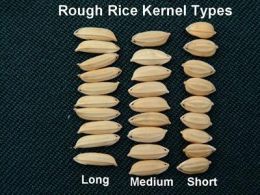
I had the car radio on while driving through Boise and the station was our local NPR station – the car radio only gets one station! They were having a discussion on the different types, not particularly the different kinds, of rice. No, rice is not just rice. With over 40,000 different kinds of rice, the varieties are almost endless. If you wanted to try a different kind of rice each day until you got through those 40,000 varieties, it would take you 105.9 years! It’s probably too late for me to start that experiment now. So, I thought it might be interesting to explore this idea and get to know rice. Here goes -In looking at many, many pages on rice types and kinds, I did find this one from Hubpages about the 3 classifications (types) for rice. Here is part of that article.

3 Classifications for Rice Length: Long, Medium and Short

By Kathryn Vercillo

There are literally tens of thousands of different varieties of rice in the world. However, rice can actually be broken down into just three different types if you want to keep things simple. There is long-grain, medium-grain and short-grain rice. As the classifications suggest, the three different types of rice grains are categorized based upon their length as compared to their width. A skinny, long type of rice grain would be a long-grain whereas a round-ish grain that’s about as wide as it is long would be a short-grain.
Long vs. Medium vs. Short Grain Rice

Long-Grain Rice Long-grain rice is easy to identify because it is the narrowest or skinniest of the different types of rice that you might come across. If a piece of rice is at least four times in length what it is in width then it is considered to be a long grain. Long-grain rice is usually the fluffiest type of rice. For that reason it is considered the best type of rice to serve with sauces; it holds the sauce well but it also tastes good plain. A popular example of long-grain rice is Basmati. It is long grain rice with a beautiful fragrance. Traditionally it was grown in India, but now famous around the world. On the other hand, Jasmine is an excellent long-grain fragrant white rice. It has a slight jasmine aroma after cooking and are slightly stickier than Basmati. It is grown in Thailand and used throughout Southeast Asia.

Short-Grain Rice. Whereas long-grain rice is skinny and tall, short-grain rice is short and fat. It often looks round in shape because the width is so close in size to the length with this grain. Short-grain rice generally has a higher level of starch content than the other grains do making it a type of rice that tends to be sticky. For that reason it’s especially popular for rice pudding although it can be eaten alone or in other rice dishes as well. A popular example of short-grain rice is Arborio. Arborio is a short-grain rice that takes its name from the town of Arborio in the Po Valley of Northern Italy where it was originally grown. It is high in starch content and thus has a starchy taste of its own.

Medium-Grain Rice. Once you get a good idea of what constitutes long-grain rice and what would be considered short-grain rice, you’ll also be able to identify medium-grain rice. It’s the type of rice that falls somewhere in between the two other grains. For example, a rice grain that is about three times as long as it is wide would be a medium-grain rice. Medium-grain rice is terrific in rice-based dishes such as paella and risotto.

OK. So now you’re going to ask, “But what about brown rice?” Hmmmm.

Brown Rice. Brown Rice is not a separate variety of rice, but any rice, short-grain or long-grain, which is not polished or part is called brown rice. They are more nutritious than the white rice and are of two kinds:
Fully Unpolished – When the entire layer of bran is not removed.
Partially Unpolished – When bran is only partially removed.
Although it takes longer to cook, the more nutritious rice is brown or hulled rice. The rice is milled to remove the hull, but keep the rice bran layer and the germ. It has more of a nutty flavor is chewy. It is more nutritious and has a lower glycemic index than white rice. The bran contains most of the minerals and vitamins. It is the bran that also gives it the darker color. Any type of rice can be milled as brown rice. It is more expensive because less people like to eat it, and it has a much shorter shelf life. (Kinds of Rice)


So with all of this information, sum it up in one or two sentences. “The Long and Short Of It. Although there’s an exact science to the measurement of rice grains, as a [home] cook you really only need to know the basics. A long skinny type of rice grain will be less sticky and a bit firmer than a short, fat rice grain.” Now, go and try each of the types of rice. The web is full of information and recipes for using rice. There’s more to it than steaming, add butter, eat. Enjoy!

Reblog:

  • Email a link to a friend (Opens in new window) Email
  • Share on Pinterest (Opens in new window) Pinterest
  • Share on Facebook (Opens in new window) Facebook
  • Print (Opens in new window) Print
  • More
  • Share on X (Opens in new window) X
  • Share on Instagram (Opens in new window) Instagram
Like Loading...

Salt Revisited

19 Saturday Mar 2011

Posted by Bob and Robin in Anthropology of Food, Salt

≈ Leave a comment


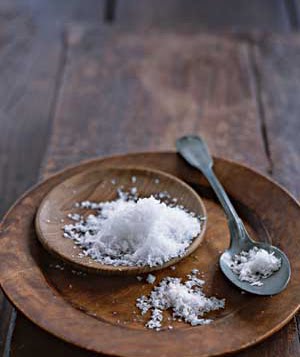
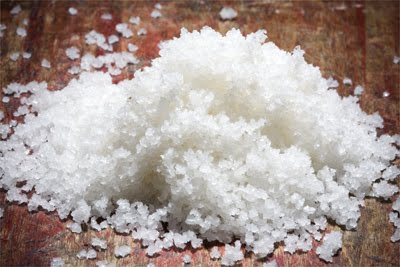
I was asked this week if I had any resources on the different kinds/types of salt. On this blog and on March 30, 2010, I did and article named Salt. If you click on the link, It will take you to the article. If you would like a resource book, look at Salt: A World History by Mark Kurlansky, 2002. ISBN: 0-8027-1373-4 (hc) or 0 14 20.0161 9 (pbk). Penguin Books. Here is some additional information on the different kinds of salt:
From Ask (dot) com :

Gray sea salt is the culinary salt which is harvested from evaporated sea water taken from the Atlantic Ocean along northern France’s Brittany Coast. Himalayan pink salt is the culinary salt which is mined from underground deposits of rock salt in Pakistan’s Himalayan mountains. Although interest in gray sea salt and Himalayan pink salt is relatively recent in American cuisine, both types of salt have long histories. Gray sea salt has been harvested in the Guérande region of France’s Brittany Coast since the ninth century. Himalayan pink salt has been mined from Pakistan’s Khewra salt mines in the Himalayan mountains since as early as the 13th century.
Identification
Gray sea salt is also known as “Celtic sea salt,” “Brittany sea salt” and “sel gris,” the French phrase for “gray salt.” Gray sea salt gets its distinctive color–ranging from light gray to slightly purplish gray–from the clay salt flats in the Guérande region of Brittany from which it is harvested. Himalayan pink salt is also known as “Pakistani pink salt,” or simply “Himalayan salt.” Himalayan pink salt gets its distinctive color–ranging from pale pink to deep red–from varying amounts of iron oxide in the rock salt deposits.
Function
Both gray sea salt and Himalayan pink salt are culinary salts used as flavor enhancers. Because it is mined from rock salt, Himalayan pink salt can also be cut into flat slabs and used as cookware, serving platters or simply decoration.
Features
Both gray sea salt and Himalayan pink salt are available in a variety of grinds, ranging from extra coarse to fine. Himalayan pink salt is also available in slabs and blocks. Gray sea salt has a loose, clumpy texture due to a relatively high moisture content. Both types of salt are sold in their natural, unrefined states and retain trace amounts of other minerals that not only contribute to their signature colors but also impart subtle flavors to food.

And then from EZine Articles we find this information:

Beyond Table Salt — A Guide To Different Types Of Salt

By Anne Clarke
It seems that there are so many different types of salts these days to choose from. You might have thought that salt is just salt, but nothing could be further from the truth! Here is a basic guide to the different types of salt.


Table Salt and Iodized Table Salt
This is the type of salt that most of us use at home and the type that we find on most restaurant tables. Our basic table salt is made by sending water into salt deposits then evaporating it – only the salt crystals will remain. The salt goes through a refining process that removes the other minerals from it. Table salt has a fine grain texture which makes it ideal for baking – it can accurately be measured. Iodine is not naturally in table salt – Morton Salt Company started adding it back in 1924 to decrease the chance of goiters. The majority of table salt is iodized in the United States these days, and, indeed, the occurrence of goiters has gone down greatly!
Kosher Salt
Kosher salt is made in a similar fashion to table salt – the difference is that kosher salt is raked during the evaporation process. This type of coarse salt is generally evaporated from brine. This creates grains with a block-structure, this structure better allows the salt crystals to absorb blood (Jewish law states that you must extract blood from meat before you consume it). Kosher salt is less salty than table salt.
Sea Salt
Sea salt is harvested by evaporation, also. Sea salt is not quite as salty as table salt is. You can find both fine grain and coarse grain sea salt. Many sea salts include trace minerals like potassium, magnesium, and iodine – these minerals are naturally present, not added.

Fleur De Sel
This is a type of sea salt – to harvest fleur de sel, you must take the early crystals that start to form across the surface of salt evaporation ponds – this is generally done during the summer months, the time when the sun is strongest. Fleur de sels have a higher mineral content than basic table salt. Fleur de sels can smell like the ocean, and it tends to be grayish in color. Other types of sea salts include sel gris, esprit du sel, and pink, black, and brown sea salts from India.
Rock Salt
As its name implies, rock salt is not fine-grained. In fact, rock salt is unrefined and therefore has a grayish hue. It is sold in large crystals. This is what people use to make ice cream in traditional hand-cranked ice cream makers.

From E-How we find:

Sea Salt. Another type of salt that is popular is sea salt. Sea salt is sea water that has been evaporated, resulting in pure salt from the saltwater. Sea salt can be found in both fine and course types. Since it comes from different waters and contains different minerals, the colors will be different from one sea salt to another.
Hawaiian Sea Salt and French Gray Sea Salts are both colored slightly. These salts are great for garnishing as well as flavoring a dish. The coloring comes from what is in the sea water as it evaporates or what is added. The Hawaiian sea salt has its color from the Hawaiian red clays from the island and the French grey salt’s color comes from the minerals inside the salt.

And finally from Real Simple:

6 Types of Salt and How to Use Them

Kosher Salt
Use it for: All cooking. Kosher salt dissolves fast, and its flavor disperses quickly, so chefs recommend tossing it on everything from pork roast to popcorn.
Crystalline Sea Salt
Use it for: Adding a pungent burst of flavor to just-cooked foods. These crystals will complement anything from a fresh salad to a salmon fillet.
Flaked Sea Salt
Use it for: Bringing a complex flavor to steamed vegetables or shellfish. Take a pinch, crush the crystals between your fingertips, and let them fall on freshly cooked food. This salt will add a hint of briny flavor.
Fleur de Sel
Use it for: A special-occasion table salt. Spoon it into a salt cellar to be pinched, then sprinkled over food just before eating. Delicately flavored, it adds a perfect hint of saltiness to freshly sliced tomato or melon.
Rock Salt
Use it for: Making ice cream and deicing. Rock salt is paired with ice in old-fashioned hand-cranked ice cream makers to regulate the temperature. You can also use it to deice your sidewalks and driveway in the winter months.
Pickling Salt
Use it for: Brining pickles and sauerkraut. It will also brine a turkey, but beware: Pickling salt is far more concentrated than the more commonly used kosher salt, so you’ll need to use less.

I hope this helps. But remember that there are many different kinds of salt, even a pink salt from Pakistan. They all have a slightly different taste due to the minerals that are attached to the salt crystals. But remember: Watch your salt intake. We tend to eat far more salt than is needed and thus high blood pressure and other potentially life threatening ailments. Taste your food first, THEN add salt if necessary. The salt intake of most people is 3000mg per day. It is recommended that your daily intake of salt should not exceed 1500mg per day. Keep this in mind. Cheers!

Reblog:

  • Email a link to a friend (Opens in new window) Email
  • Share on Pinterest (Opens in new window) Pinterest
  • Share on Facebook (Opens in new window) Facebook
  • Print (Opens in new window) Print
  • More
  • Share on X (Opens in new window) X
  • Share on Instagram (Opens in new window) Instagram
Like Loading...

St Patrick’s Day – The Rest of the Story

18 Friday Mar 2011

Posted by Bob and Robin in Main Dish, Party Time, Photos, Photos By: Bob Young, Things To Do, What's For Dinner?

≈ 1 Comment


Leanne and Tom Felzien – Thank-You so very much for including us in your St Patrick’s Day Dinner. It was fun and delicious.
And as a note: If any one in the Boise area who reads this blog wants a spring lamb or side of beef for their freezer, just let me know and I will put you in contact with Tom and Leanne. For the past 6 years or so, we have been getting some awesome lamb from them. The lamb and beef are all 4-H raised.
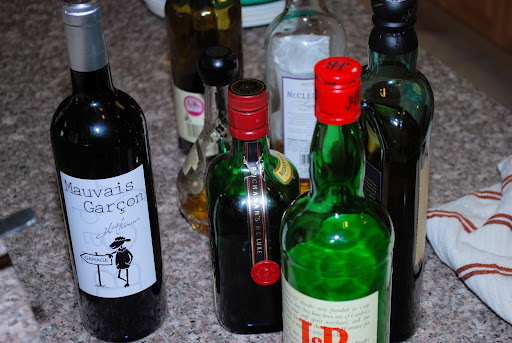
Back to the celebration: The party was festive. Some great Whisky was tried, much like a wine tasting, but much smaller samples. There is a photo of some of the whiskys. (No! I didn’t misspell whisky.) Gail made the Corned Beef again this year and in my NSHO, it was better this year. She does a great job with the beef. Enjoy the photos of the party. Cheers!

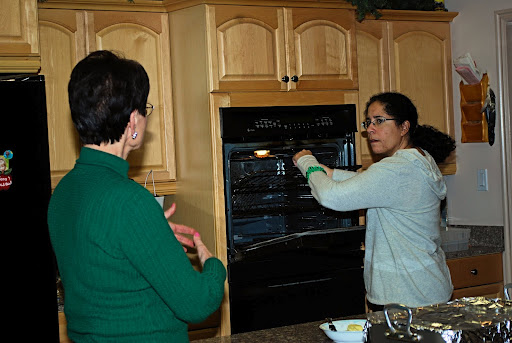
Gail and Leanne discuss the kitchen proceedure.

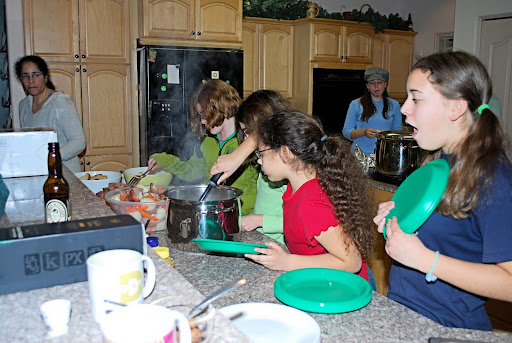
Heather and some of the children at the party. It was great to see you again, Heather.

Ah! The Lagavulin Double Matured Whisky. This is awesome and thank-you Gail for sharing it. Look at that golden color and smell the peat smoke.

The party stash!

The food line. Hurry. We’re hungry!

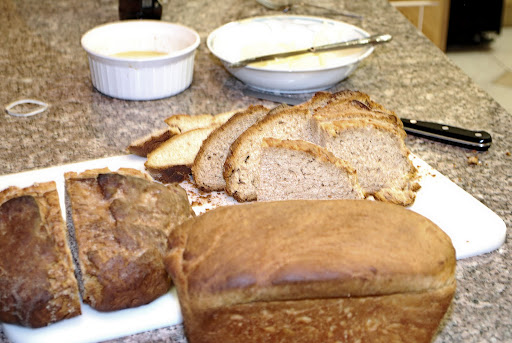
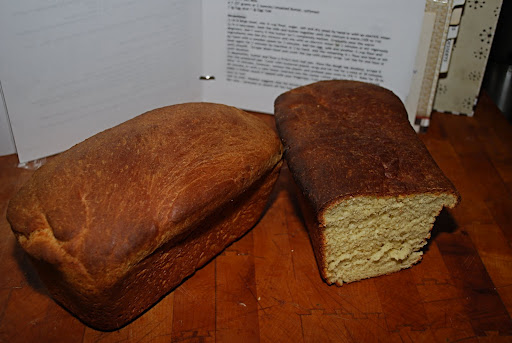
The Irish Soda Bread is sliced and the Sally Lunn Bread is waiting to be sliced. Next year, if we are invited again, I will have to make two loaves of each.

The plated Corned Beef Dinner! It was great!

Wishfull thinking? It’s cabbage, too.


So there you have, “… The rest of the story.” It was a great evening that went on until almost 10:00pm. The meal was fantastic, as usual. Thank-You Gail. And again, a huge Thank-You to Leanne and Tom for opening their home to all of us. It was great to see the bubbly children, too. Cheers!
Here is some interesting facts about the Corned Beef, like, “Where did the name come from?”:

From About (dot) com –
Corned Beef Basics
The first corned beef was packed in salt, and sometimes spices, in order to cure it. It got its name from the corn kernel-sized grains of salt it was packed in. Today, corned beef is usually made by soaking a brisket roast in a brine of water, salt, and spices. While it’s not traditional in Ireland, corned beef is what most Americans prepare for St. Patrick’s Day feasts.

About the Beef
For centuries, corned beef was a food reserved for special occasions. Beef was considered to be a decadent indulgence up until the 20th century. It was only available to very wealthy people, because most cows were kept for their milk or for breeding.

About the Brisket
Brisket comes from the heavily exercised front limbs of the animal, and is consequently a tough cut of meat. When cooked properly–braised–this cut is tender, juicy and succulent. Corned beef and other forms of brisket need to be cooked for a long time with low heat and plenty of moisture in order to realize their full potential as the star of your dinner table.

And from Food History, we learn –

Why do they Call it “Corned” Beef?
The term “Corned” comes from putting meat in a large crock and covering
it with large rock-salt kernels of salt that were refered to as “corns of salt”
This preserved the meat. The term Corned has been in the Oxford English Dictionary as early as 888 AD.

Irish Were the First Exporters of Corned Beef
Irish were the biggest exporters of Corned Beef till 1825.
The English were serving corned beef but also the Irish. In this day and age
corned beef and cabbage is not very Irish, but corned beef is. The area of Cork, Ireland was a great producer of Corned Beef in the 1600’s until 1825. It was their chief export and sent all over the world, mostly in cans. The British army sustained on cans of Cork’s corned beef during the Napoleonic wars …

Origin of the Word “Corn”
The term Corn is modified from an Old Germanic (P.Gmc) Word
Kurnam which meant small seed of anything. Since a kernel of rock
salt look like a wheat or oat kernel size it became known as a corn of salt. Even the word Kernel comes from this word Kurnam. or Kurnilo which meant the root of the seed.

Corned Beef and Cabbage is basically an American tradition on St. Patrick’s

Day started by irish-Americans in the mid 1800’s. Some Irish people feel that corned beef and cabbage is about as Irish as spaghetti and meatballs. Since cows were used for milk rather than meat in poor times in Ireland, beef was a delicacy that was fed to kings. It was more common to celebrate a holiday meal with what they call a ham (Gammon) or bacon joint. ( a cured but unsmoked piece of pork) with their cabbage and potatoes. When many Irish Immigrants came over in the mid 1800’s they couldn’t find a bacon joint like they had in Ireland, so they found that Jewish corned beef was very similar in texture, and they used that for their holiday celebrations.

Just a short history lesson. See you next year!

Great photos, Gail. Thanks!

Reblog:

  • Email a link to a friend (Opens in new window) Email
  • Share on Pinterest (Opens in new window) Pinterest
  • Share on Facebook (Opens in new window) Facebook
  • Print (Opens in new window) Print
  • More
  • Share on X (Opens in new window) X
  • Share on Instagram (Opens in new window) Instagram
Like Loading...

St Patrick’s Day Dinner and Party

17 Thursday Mar 2011

Posted by Bob and Robin in Anthropology of Food, Party Time, Photos, Photos By: Bob Young, Recipe: Bob and Robin Young, Recipes, Special Events, What's For Dinner?

≈ 2 Comments


Last year, we were invited by friends Gail and Bob Parker to join them and their family at a St Patrick’s Day Dinner. All the trimmings – Corned Beef, Cabbage, Potatoes and a host of other things to eat and drink. We were asked to bring Irish Soda Bread. Evidently, it was OK, because this year, we have been invited to join them again. So here, again, is our offering.

Irish Soda Bread getting very happy in the oven. (It is 2:48pm MDT and this just came out of the oven. YUM-O!)

And this year, we are also bringing a wonderful slightly sweet Sally Lunn Bread from the Smitten Kitchen site – there is a hot link in the side bar to the site. And to quote the Smitten Kitchen, “… It tastes like a light brioche but involves less butter, fewer eggs and significantly less of a time commitment.
Like any food story worth tucking into, the story of Sally Lunn Bread comes with drama over its origins — Was it originally made by Protestant refugees, who called them “soleil et lune” or sun and moon cakes? Was it named for Solange Luyon, a pastry cook in Bath, England who for decades sold these buns on the street? Was knowing how to bake it truly essential to being a successful housekeeper, as this 1884 book, suggests?”

——————————

So there you have the starter of what will be a great evening with friends. We will tip one for you also! See you later with “… The rest of the story!” Cheers!

Reblog:

  • Email a link to a friend (Opens in new window) Email
  • Share on Pinterest (Opens in new window) Pinterest
  • Share on Facebook (Opens in new window) Facebook
  • Print (Opens in new window) Print
  • More
  • Share on X (Opens in new window) X
  • Share on Instagram (Opens in new window) Instagram
Like Loading...

"Salt Tears" Re-Visited

12 Saturday Mar 2011

Posted by Bob and Robin in Restaurant Reviews, Restaurants, Salt Tears, Special Information, What's For Dinner?

≈ Leave a comment


Back on January 17, 2011, we visited Salt Tears on their opening day. As I stated in that Blog Post, we would return to do a re-take on our experience. At that time, we rated Salt Tears a 4-Star restaurant.

Robin and I did return on March 11 and the earlier rating, in our opinion, was correct and we will keep it a 4-Star restaurant.
I had their House Roasted Turkey Salad Sandwich with Cilantro, Pumpkin Seeds and a Honey and Lime Vinaigrette. It was wonderful! I also had their Potato Salad. Differently good. Robin had Sweet Onion and Bacon Pierogis with Sour Cream. This too was good. We each had a cup of their Carrot and Roasted Cumin Soup. It was very tasty. We urge you to look at Their Website – their card in the sidebar is also hot linked – to look at their menus  and to try their fare. They also have a wonderful breakfast. They are working on a liquor license, so that will come in time. There is a wide selection of other beverages available now.
And it this time, I will say that it was good to see the restaurant full! We were there at 1:30pm and there were just a few seats available. We asked about this crowd and they told us that the noontime hours are usually full. The breakfast hours are the next most attended and the evening mealtime the least attended. They have Wifi, so you can take your laptop. Go to Salt Tears and enjoy yourselves and have some light refreshment or a full meal. Support our local businesses. We will definitely return. Cheers!


Reblog:

  • Email a link to a friend (Opens in new window) Email
  • Share on Pinterest (Opens in new window) Pinterest
  • Share on Facebook (Opens in new window) Facebook
  • Print (Opens in new window) Print
  • More
  • Share on X (Opens in new window) X
  • Share on Instagram (Opens in new window) Instagram
Like Loading...

Food and Shrove Tuesday

08 Tuesday Mar 2011

Posted by Bob and Robin in Fasnacht Day, Main Dish, Photos, Photos By: Bob Young, Recipe: Bob and Robin Young, What's For Dinner?

≈ Leave a comment


I think it’s called Tired of Winter or Cabin Fever. So what does one do while watching it snow one week before the Ides of March – the Roman New Year? I’m glad you asked. Try making a breakfast of

Scrambled Eggs, Fried Potato Pancakes and Fasnachts Berliner . (This recipe is far better than the other one I had. Something went terribly wrong!) This recipe is from My Best German Recipes Blog. You can find a link in the sidebar or click the stated link. Actually, if some of the breakfast had corn or maybe bacon, it just might give this one a run for the money. Corn Fritters, just browned and made thin, not like IHOP pancakes, but thin and fried slowly and over medium heat in bacon fat. I do remember those from my childhood, which was a year or so ago. My Pennsylvania Dutch Grandmother could make those fritters like no one else. I have yet to find the recipe. If you try this recipe, let us know what you think. And if you are looking for some awesome German recipes, check out the blog, My Best German Recipes. There are some really interesting recipes there. Cheers!

Reblog:

  • Email a link to a friend (Opens in new window) Email
  • Share on Pinterest (Opens in new window) Pinterest
  • Share on Facebook (Opens in new window) Facebook
  • Print (Opens in new window) Print
  • More
  • Share on X (Opens in new window) X
  • Share on Instagram (Opens in new window) Instagram
Like Loading...

It’s Time For Fasnachts!

05 Saturday Mar 2011

Posted by Bob and Robin in Anthropology of Food, Fasnacht Day, Special Events, Special Information

≈ Leave a comment


So the day is quickly coming! Shrove Tuesday! 8 March! Fasnacht Day! So what is a fasnacht? Here is a recipe for Fasnachts Berliner. (03/07/11 – Sorry! I had to change the recipe.) Treat yourself and your family and your friends to a delightful, Off The Diet, delicious Pennsylvania Dutch (German) doughnut. The photo on the left is the way I remember them – covered in powdered sugar. And here is some information on fasnachts, gleened from http://unasked.com/question/view/id/15912:

“Fasnachts, Fastnachts or Faschnachts are a fatty doughnut treat served traditionally on Fastnacht Day, the day before Lent starts. Fasnachts were produced as a way to empty the pantry of lard, sugar, fat and butter, which were forbidden during Lent. Some English-speaking Protestants tend to refer to the day as Shrove Tuesday, and many consume pancakes as an alternative.

The German word Fasnacht literally translates as “chamfering night”. Authentic fasnachts are typically cut into squares or rectangles, producing a chamfered edge, as opposed to doughnuts which are round with holes in the center.

Basel, Switzerland conducts a fasnacht festival annually. The Pennsylvania Dutch territory surrounding Lancaster, Pennsylvania celebrates the custom, although it is largely unheard-of in Philadelphia, which is commuting distance away. Most chain supermarkets offer fasnachts, although WalMart offers Pączki instead. The pączki is traditionally eaten in Poland on the Thursday prior to Fasnacht Day, although in Polish communities of the US, the celebration is more commonly on Fasnacht Day. Commonly pączki are round, rather than having straight sides, and they are filled with jelly, or sometimes creme filling.

The term now is synonymous with the Carnival season in southern Germany, Switzerland, Alsass and Austria. Although usually written “Fastnacht”, there are many local spoken varieties: Fasnacht, Fassenacht, Fasnet etc.

Many churches in Pennsylvania feature Fastnacht sales as a fundraiser. The Holy Trinity Catholic Church in Columbia made 84,000 fasnacht in 2008 at $4.50/dozen, and was turning away potential customers; St. Cecilia Church in Lebanon earned $24,000 in 2006 by turning 3 tons of sugar, 720 pounds of margarine, 1,000 gallons of milk and more than 1,000 eggs into fasnachts.”

If you are really interested, you can find more information on the The Best American Poetry Blog, of all things. So there you go! Try these as they are a real treat. Labor intensive, but worth all of the time.

Reblog:

  • Email a link to a friend (Opens in new window) Email
  • Share on Pinterest (Opens in new window) Pinterest
  • Share on Facebook (Opens in new window) Facebook
  • Print (Opens in new window) Print
  • More
  • Share on X (Opens in new window) X
  • Share on Instagram (Opens in new window) Instagram
Like Loading...
← Older posts

  • Bob and Robin's avatar Bob and Robin
  • rockinrobin43's avatar rockinrobin43

Meta

  • Create account
  • Log in
  • Entries feed
  • Comments feed
  • WordPress.com

Copyright Notice

Creative Commons License
This blog and all work herein is licensed under a Creative Commons Attribution-Noncommercial-No Derivative Works 3.0 United States License.

The Current Weather at the Captain’s Shack

Click the image to see the very latest and current weather at the Captain's Shack in Boise, Idaho

Enter your email address to follow this blog and receive notifications of new posts by email.

Join 185 other subscribers

Thanks to all of these readers and subscribersz of this blog!

  • 326,713 and 598,479 Folks Reached

Monthly Archives of this Blog

Translate This Page

Assoc of Food Bloggers

Association of Food Bloggers

BFM Drive-Thru

Boise Farmers Market Drive-Thru

Air Fryer Cooking Time and Temperature Conversion Calculator

To convert to the AirFryer

AirFryer Recipes

https://www.airfryerrecipes.com/

Air Fryer Conversions

Rule of 25%. Reduce oven/frying temperature by 25% and time by 25%.

Fork To Spoon – Air Fryer and Instant Pot Recipes

Great resource for AF and IP information and recipes.

AirBnB Buhl, Idaho

Welcome to Mary Anne’s place, a historic cottage in the heart of Kelley’s Canyon Orchard. Just 20 minutes from Twin Falls, unwind in this quiet retreat by enjoying the pleasant sound of a nearby creek and views that look out into the orchard. 4 guests · 2 bedrooms · 3 beds · 1 bath, Wifi · Free parking · Kitchen, Entire House! 1903 River Rd, Filer, Idaho 83328

Bloglovin’

RSS Links

RSS Feed RSS - Posts

RSS Feed RSS - Comments

-----------------------
I Know. Not Idaho Products, But still Worth A Try!
----------------------

Rockin’ Rs

----------------------
Items of Blog Interest.
-----------------------

Member of The Internet Defense League

The History Kitchen

Interesting historical information about food - prep, origins and uses. Written by a kitchen anthropologist!

-----------------------
Of Concern To This Blog
----------------------

Recent Posts

  • CS Pear and Rutabaga Soup
  • Raibu Sushi Bar
  • Different Kinds of Peppers
  • It’s Pizza Time!
  • Salmon — Part 2

-----------------------
Think Local!! Buy Local!!

Let them know you saw their logo on this blog. Thanks!
----------------------

Buy Local!

If you are not from Idaho, think about Buying Local in Your area! As for us, we have lived in Idaho since 1982. We Buy Idaho wherever possible.

Chef Jake Sandberg, Crispeats

Food References and Recipes

Buy Local

And it does ... Just Make Sense! Regardless of where you are from.

------------------------
Think Local!! Idaho Products.

Let them know you saw their logo on this blog. Thanks!
-----------------------

The New Boise Farmers Market

Summer and Winter - 1500 Shoreline Dr, Boise (Americana and Shoreline)

Idaho Farmers Markets

A listing of statewide Farmer's Markets with contacts.

Find Your Local Farmers Market

Click on the graphic to find your local farmers market either by city or zip code.

Acme Baked Shop, Boise

Available at the Boise COOP. Some of the best bread in Boise and all local!! They make the bread for the 10 Barrel Brew Pub, Angell's Bar and Grill, Salt Tears, all here in Boise. Awesome rye bread that actually tastes like rye bread. And the baguettes .... Wonderful. (208) 284-5588 or runsvold2000@gmail.com

Brown’s Buffalo Ranch

Give them a call or EMail for awesome buffalo meat.

Desert Mountain Grass Fed Beef (formerly Homestead Natural Beef)

Desert Mountain Grass Fed Beef, with Bob and Jessica Howard of Howard Ranch in Hammett. The company will only sell whole animals to the Boise Co-op and Whole Foods stores in Boise and Utah. They will also be at the Boise Farmers Market.

Falls Brand Pork roducts

Click the image for pork recipes.

Kelley’s Canyon Orchard

1903 River Rd, Filer, ID 83328 Hours: 10am - 6pm, Phone: (208) 543-5330

Malheur River Meats

Matthews Idaho Honey

Matthews All-Natural Meats

Meadowlark Farms

All natural Eggs, Lamb and Chicken

Purple Sage Farms

True Roots Farm

Available at the Boise Farmers Market and online at https://www.trueroots.farm

True Roots is a local produce farm committed to sustainable and chemical-free farming practices. We raise pesticide-free and non-GMO produce fresh from the farm, offering a diverse variety of farm-fresh services to our local community. Since our founding in 2014, our mission has been to provide farm-direct access to clean, reliable, and affordable produce.

Reel Foods Fish Market

1118 Vista Avenue, Boise, ID 83705 (208) 713-8850 Monday-Friday: 10am-6pm, Saturday: 9am-5pm. Sunday: Gone Fishin’

Standard Restaurant Supply

Plenty of items for the home, too. Check them out. 6910 Fairview, Boise 83704 (208) 333-9577

-----------------------
Some Awesome Recipe and Spice Sources. Culturally diverse.

Let them know you saw their logo on this blog. Thanks!
------------------------

Crockpot Recipes

Many good recipes here.

A Taste of France

A collection of French recipes

Basque Recipes

Best Ever Recipes of Mexico

Malaysian Recipes

Awesome Malaysian recipes.

Memorie di Angelina Italian Recipes

My Best German Recipes Web Site

Regional and Oktober Fest Recipes

There are a lot of recipes here.

Sauer Kraut Recipes

Recipes By Robin and Bob

Recipes that we have collected and created throughout the years.

Recipes of Elizabeth W. Young, Bob’s Mother

These are the recipes that my Mother collected over 85 or so years. The photo of my Mother was one of the last I have of her. It was taken in July, 1987.

Recipes From The Mediterranean Area

Soup and Chowder Recipes

Recipes from "My Recipes"

Deep South Dish Recipes

The Recipes of Greece

Tasty Mexican Recipes

The Shiksa In The Kitchen

Great Jewish recipes!

-----------------------
Some Great Boise Restaurants.

Let them know you saw their logo on this blog. Thanks!
-----------------------

Asiago’s – Italian

Bella Aquila, Eagle, ID

775 S Rivershore Ln., Eagle, ID 83616 (208) 938-1900

Bar Gernika – Basque Pub and Eatery

202 S Capitol Blvd, Boise (208) 344-2175 (Checked)

Cottonwood Grille

913 W River St., Boise (208) 333.9800 cg@cottonwoodgrille.com

Enrique’s Mexican Restaurant

482 Main St., Kuna (208) 922-5169 New name. Was El Gallo Giro. Same owners and kitchen. The Best Mexican restaurant in the Boise/Kuna area, bar none!

Flying Pie Pizzaria

Goldy’s Breakfast Bistro

108 S Capitol Blvd., Boise (208) 345-4100

Goldy’s Corner Cafe

625 W Main St., Boise (208) 433-3934

Guanabanas – Island Restaurant and Bar

960 N Highway A1A, Jupiter, FL

Janjou Pâtisserie

Janjou Pâtisserie, 1754 W State St., Boise, Idaho 83702 (208) 297.5853

Mai Thai Asian Cuisine

750 West Idaho Street Boise, ID 83702 (208) 344-8424

Mazzah Grill – Mediterranean and Greek Cuisine

1772 W State St., Boise (208) 333-2566

Richards Inn by Chef Richard Langston

Formerly - Vincino's. New location at 500 S Capitol Blvd., Boise (208) 472-1463. Reservations are highly suggested.

The Orchard House

14949 Sunnyslope Rd., Caldwell (208) 459-8200

The Ravenous Pig

1234 N. Orange Ave. Winter Park, FL

-----------------------
Think Local!! Boise Breweries, Brew Pubs and Wine Bars.
Let them know you saw their logo on this blog. Thanks!
-----------------------

10 Barrel Brewery Boise

830 W Bannock St., Boise (208) 344-5870

Cloud 9 Brewery and Pub

Opening Fall 2013 in the Albertson's Shopping Center, 18th and State in the old Maxi Java

Edge Brewing Company

525 N Steelhead Way, Boise, ID 83704 (208) 323-1116

-----------------------
Miscellaneous Items
-----------------------

Blog Syndication

NetworkedBlogs
Blog:
Boise Foodie Guild
Topics:
Food, Recipes, Cooking
 
Follow my blog

Blog Badge

Local & Regional Food Blogs - BlogCatalog Blog Directory

  • Subscribe Subscribed
    • Boise Foodie Guild
    • Join 76 other subscribers
    • Already have a WordPress.com account? Log in now.
    • Boise Foodie Guild
    • Subscribe Subscribed
    • Sign up
    • Log in
    • Report this content
    • View site in Reader
    • Manage subscriptions
    • Collapse this bar
%d