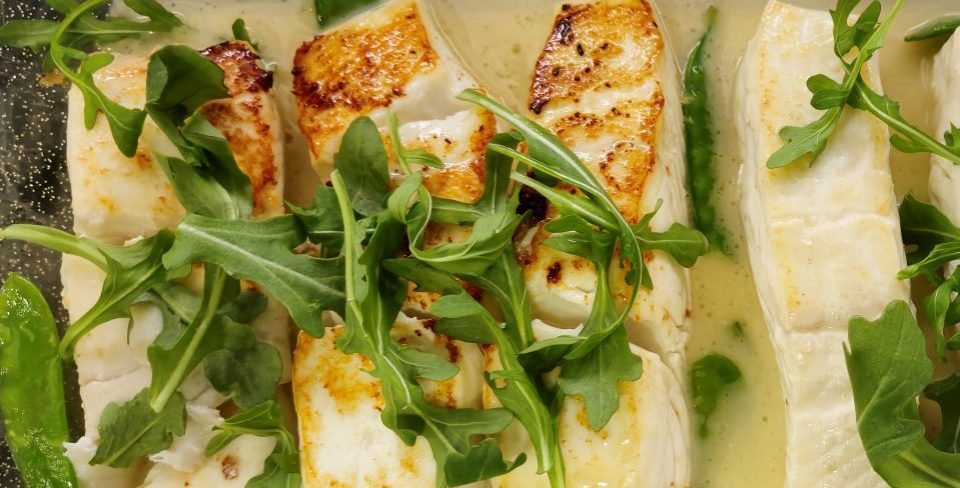
This is actually nothing new. My mother used to freeze corn, for instance, and then cook it in the pouch. This is very similar, but Sous Vide uses vacuum pouches. From the Sous Vide website, I found this information.
First used in kitchens in France in the 1970s, sous vide cooking is the process of cooking vacuum sealed food in a low temperature water bath to achieve texture and doneness not found in other cooking techniques. This technique has slowly been spreading around the world in professional kitchens everywhere and is finally making the jump to home kitchens.
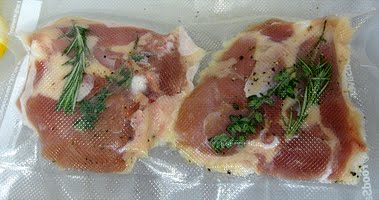
The basic concept of sous vide cooking is that food should be cooked at the temperature it will be served at. For instance, if you are cooking a steak , or Rosemary Chicken (pictured) to medium rare, you want to serve it at 125 degrees Fahrenheit, the chicken would be to 160 degrees F. Most times you would cook it on a hot grill or oven at around 400-500 degrees and pull it off at the right moment when the middle has reached 125 degrees. This results in a bulls eye effect of burnt meat on the outside turning to medium rare in the middle.
This steak cooked sous vide would be cooked at 125 degrees for several hours. This will result in the entire piece of meat being a perfectly cooked medium rare.
Why Cook with Sous Vide?
Just like any method of applying heat to food there are many reasons to use sous vide cooking, depending on what you are trying to accomplish.Because food cooked in the sous vide style is vacuum sealed, when it is cooked it doesn’t lose any of the food’s moisture or flavor. This is especially exciting when compared to braising, where most of the flavor is transferred to the sauce because of the lose of juices.
Sous vide cooking also allows you to cook tough cuts of meat at an incredibly low temperature, not only tenderizing them but keeping them perfectly cooked at medium-rare. This is very effective for shanks, roasts and other pieces of meat that are typically braised or roaster.
Cooking food in the sous vide method also results in new textures. This is because the vacuum sealing process can make food denser (like watermelons, for example), and because the lack of the typical high high can result in silky and smooth textured food that is impossible to replicate in the oven or pan.
A great example of the power of sous vide cooking is short ribs. Normally short ribs are braised for hours or cooked in the oven at low heat, resulting in very tender meat that has lost most of its flavor to the sauce. Using sous vide you can cook those ribs perfectly medium-rare, retain all their moisture and juice, and tenderize them all at the same time, resulting in the best short ribs you’ve ever had.
Sous Vide Freezer SteaksTime: 2 hours
Temperature: 131F / 55C
Serves: 4, with sidesIngredients:
2 pounds of steak, cut 1/2 – 2 inches thick, seasoned, vacuum sealed and frozen
1/2 teaspoon garlic powder
1/8 teaspoon thyme powder
or seasonings of your choiceInstructions:
Pre-Bath
Pre-heat your sous vide water bath to 131F.You can either prepared the steaks by seasoning and vacuum sealing them, then freezing them. You can do this step several months in advance. The other option is to take previously frozen steaks and put them into a vacuum pouch while still frozen with the seasonings and seal them.
Once the sous vide water is pre-heated put the steaks into the water.
Finishing the Sous Vide Freezer Steaks
Take the steaks out of the pouches and pat dry. Sear the sous vide steaks on a grill, a hot pan, or with a torch and serve.
Have fun with this and see what you can come up with. Vacuum sealers are easily available at most kitchen stores and discount stores. Cheers!

 Boise Foodie Guild